1. The Lamborghini behind the machine
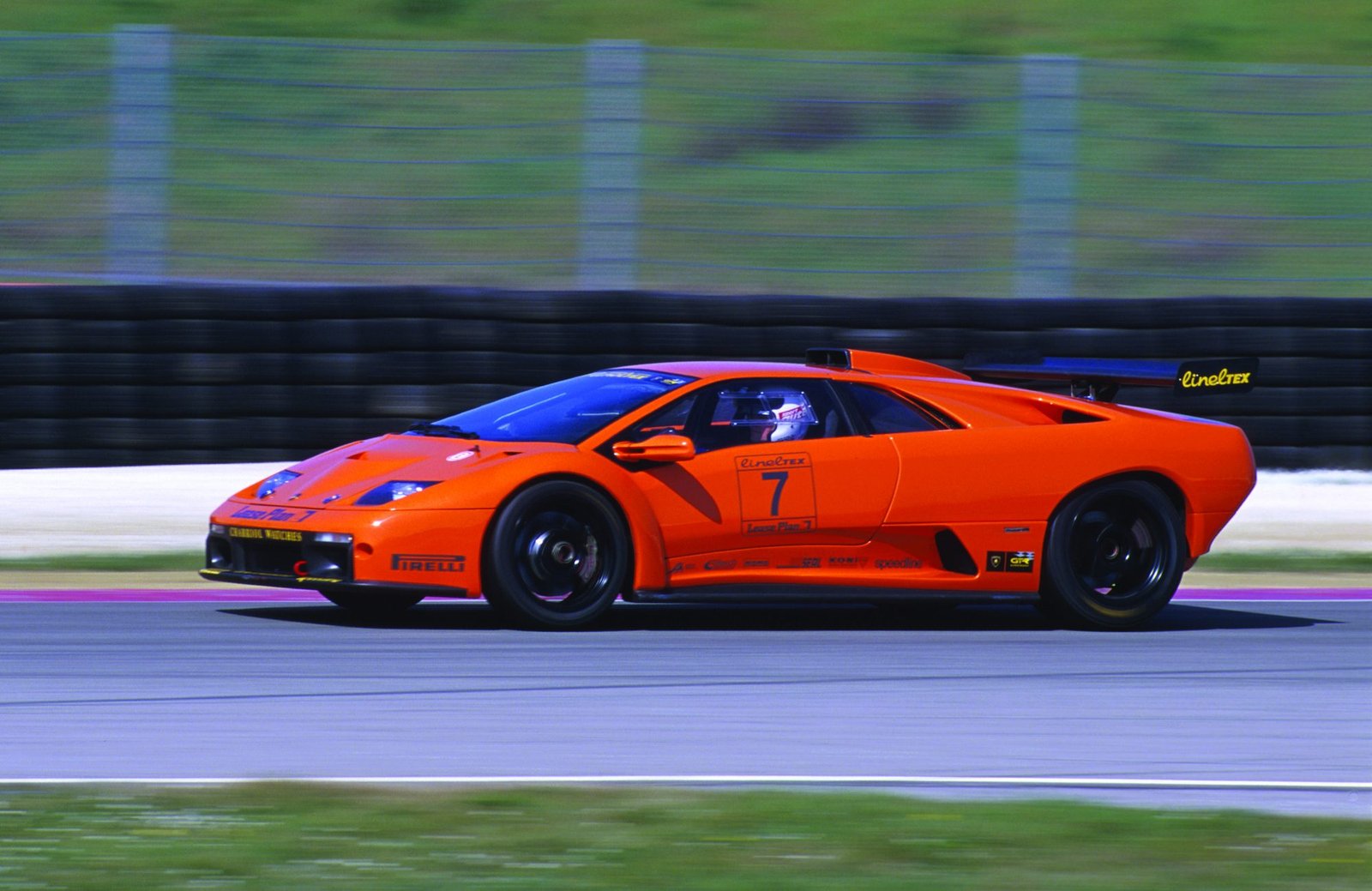
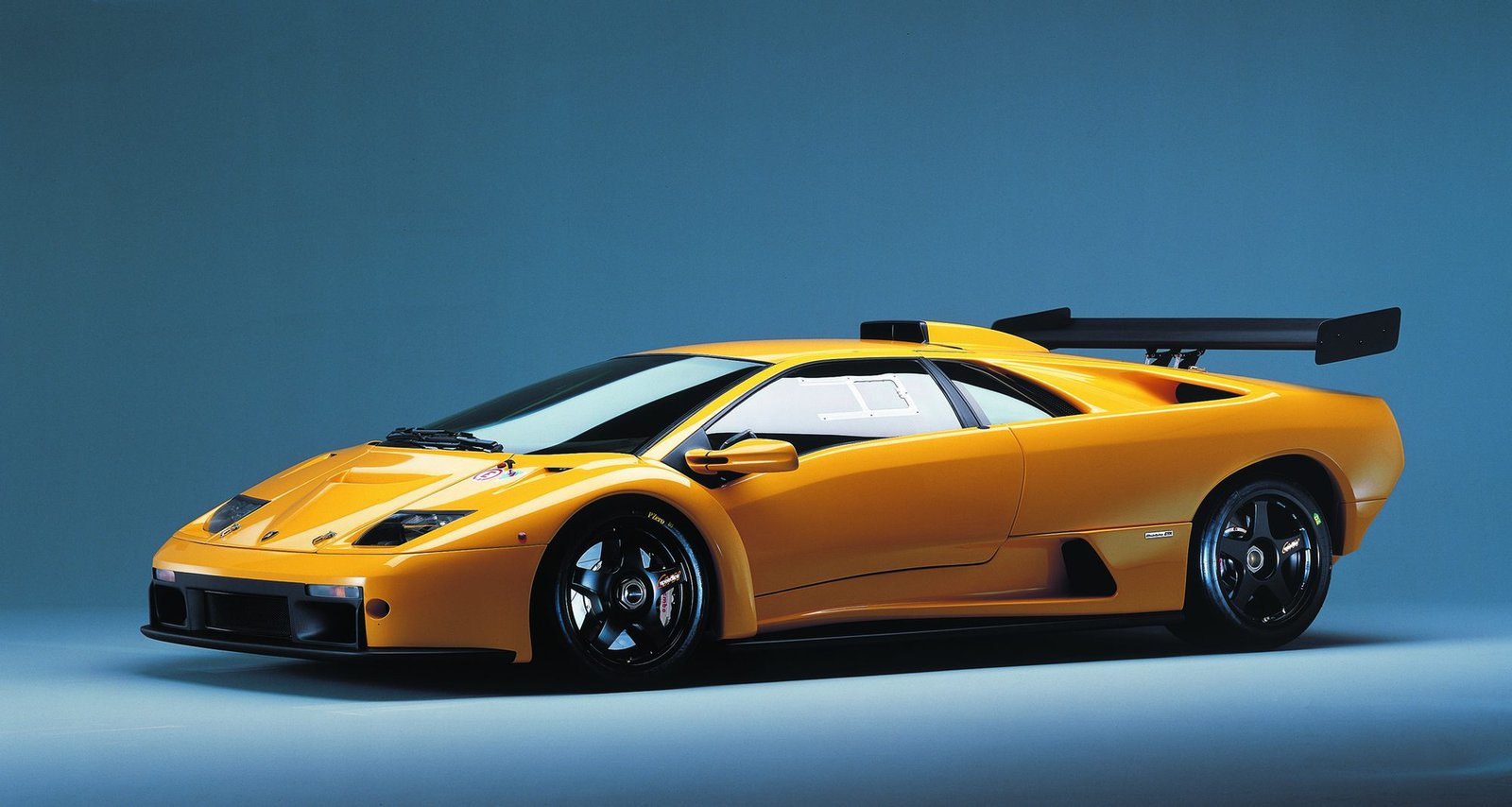
Lamborghini Diablo GTR was developed by Automobili Lamborghini S.p.A. in Sant’Agata Bolognese. It belongs to the V12 supercar class, uses a mid-engine two-seat supercar format, and is associated with the 1990–2001. production depended heavily on derivative; special editions were built in far smaller numbers Design responsibility is attributed to Marcello Gandini's initial concept, finalized for production under Chrysler-era Lamborghini design management. Its present status is discontinued.
2. The story that made it matter
The Diablo carried Lamborghini’s V12 flagship into the 1990s, adding all-wheel drive on the VT and spawning some of the marque’s most collectible competition-oriented derivatives. The design follows Lamborghini’s wedge-led, cab-forward or highly sculptural visual language, depending on era.
3. Engine architecture and combustion strategy
The core power unit is 5.7- or 6.0-liter naturally aspirated V12 depending on version. Rated output is 590 CV, with about 640 Nm of torque. The relevant engine-speed reference is roughly 7,000–7,500 rpm depending on engine. The engineering emphasis is on throttle response, thermal management, low-mounted mass and the mechanical character expected from the Lamborghini architecture of its era.
4. Gearbox, driveline and chassis logic
Transmission is handled by 5-speed manual. Lamborghini’s chassis strategy for this model is built around the relationship between engine placement, traction, steering response and mass distribution rather than straight-line output alone. On all-wheel-drive derivatives, the driveline adds launch traction and corner-exit stability; rear-drive variants trade some of that security for lower mass and a more direct yaw response.
5. Performance: speed, acceleration and usable power
Maximum speed is around 338 km/h, while acceleration is quoted at 0–100 km/h in approximately 3.5 s. Where electrification is relevant, range is not applicable to the combustion-only configuration. These figures should be read together with gearing, aero drag, tire technology and test conditions; older homologation-era numbers are not directly comparable with modern instrumented tests.
6. Bodywork, aerodynamics and thermal management
low-slung Lamborghini bodywork shaped around cooling, stability and high-speed aerodynamic requirements. The body is not only visual theatre: intakes, underbody management, wheel-arch pressure relief and rear extraction are used to control cooling and stability. The most track-focused derivatives place greater emphasis on downforce and brake cooling, while GT-oriented cars balance aero efficiency with cabin refinement and long-distance stability.
Discover selected content to inspire you and keep up to date.
7. Brakes, wheels, tires and exhaust
Braking hardware is described as high-performance ventilated braking system; carbon-ceramic hardware on later high-output derivatives where specified. Wheel and tire specification is model-specific alloy wheels with performance tires. Exhaust design is performance exhaust architecture tuned to the engine layout. On high-performance Lamborghinis these systems work as an integrated package: tire load capacity determines how effectively the chassis can deploy power, while brake thermal capacity and exhaust back-pressure management become critical during repeated high-load use.
8. Cabin, ergonomics and engineering character
The cabin follows the model’s mission: classic GTs emphasize visibility, leather trim and long-distance comfort; analog supercars place the driver low between major mechanical systems; modern HPEV cars integrate configurable displays, drive modes and electronically coordinated chassis systems. Across eras, the defining trait is the sense that the controls, seating position and mechanical noise are part of the powertrain experience rather than isolated luxury features.
9. Price, production rarity and the auction market
Analog manual Diablos have become major collector cars; rare derivatives carry steep premiums. Public sales range from strong six figures for standard cars to substantially higher figures for rare SE30 Jota, GTR, SVR and exceptional-provenance examples. For valuation purposes, originality, matching mechanical components, color specification, documented maintenance, accident history, factory certification and provenance can change the value of the same nominal model dramatically.
10. Lamborghini comparison: where this model sits in the bloodline
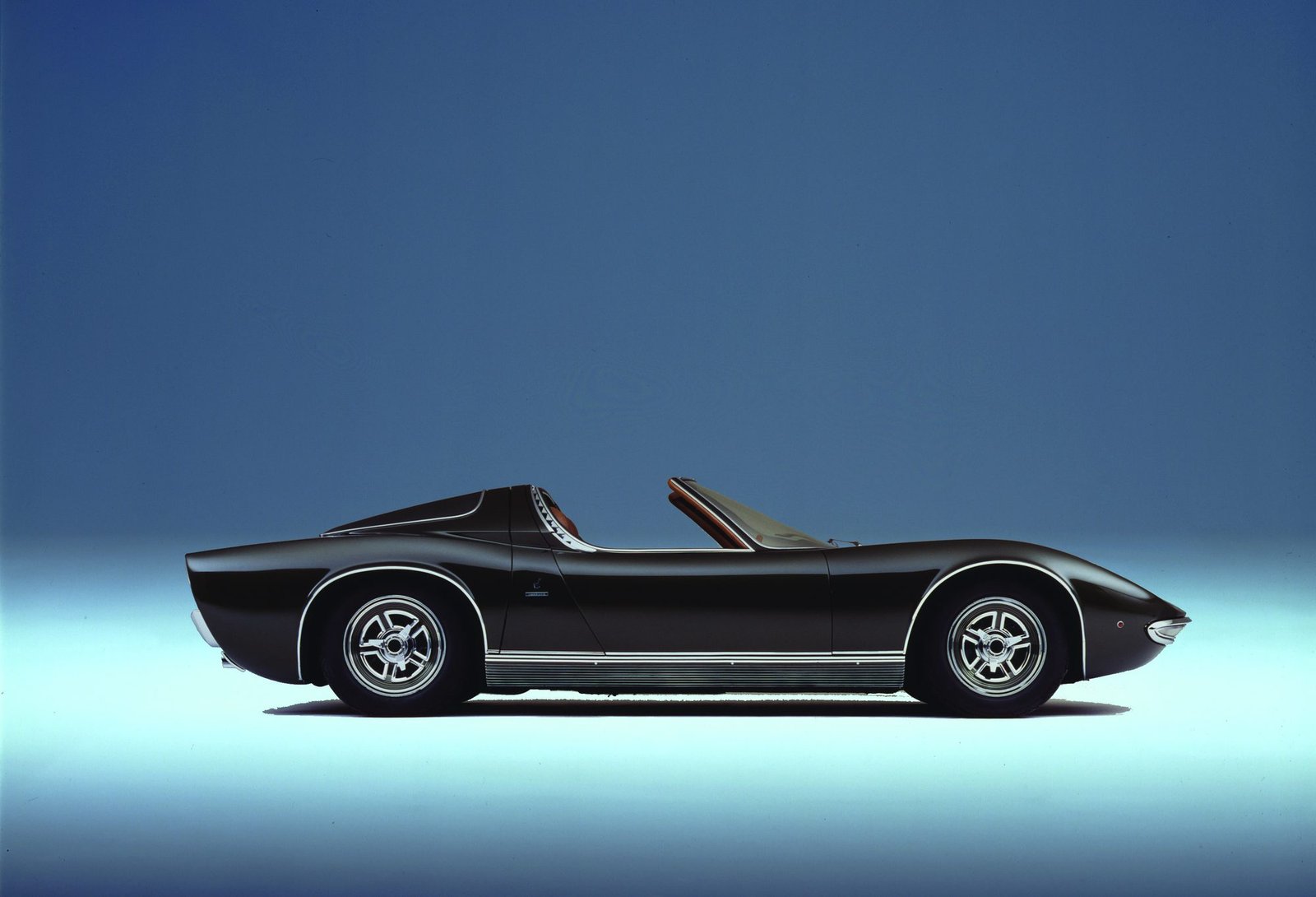
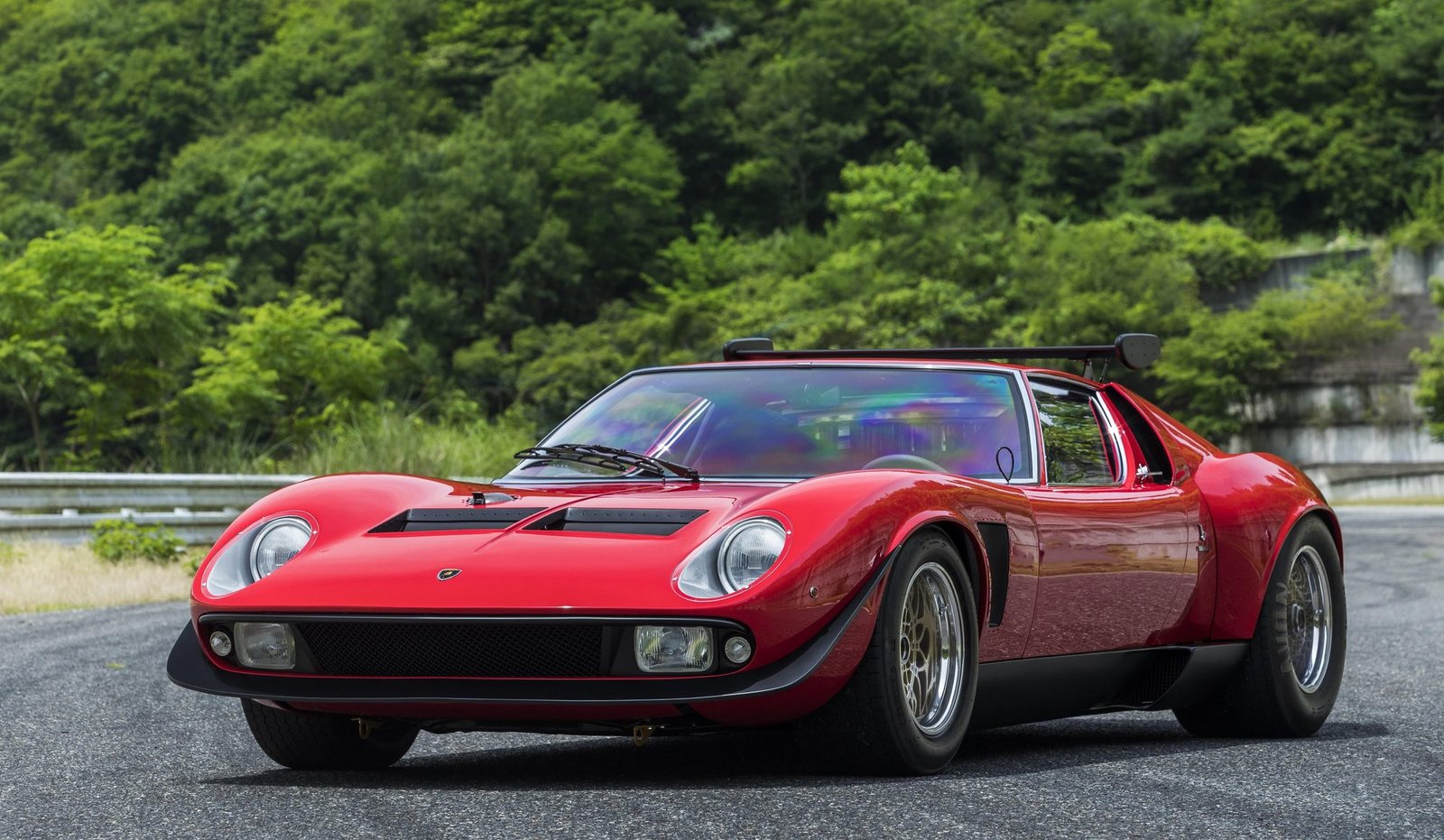
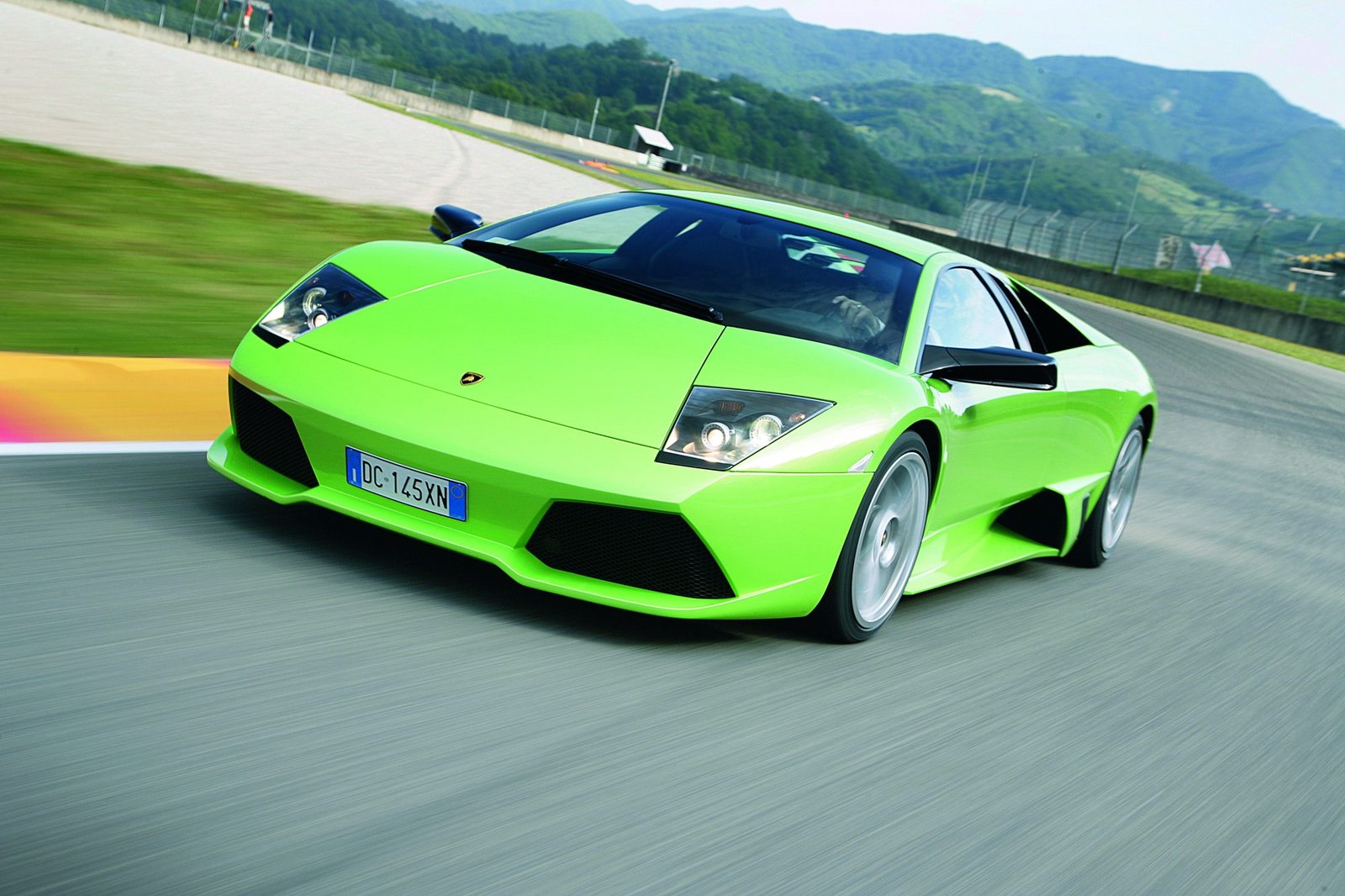
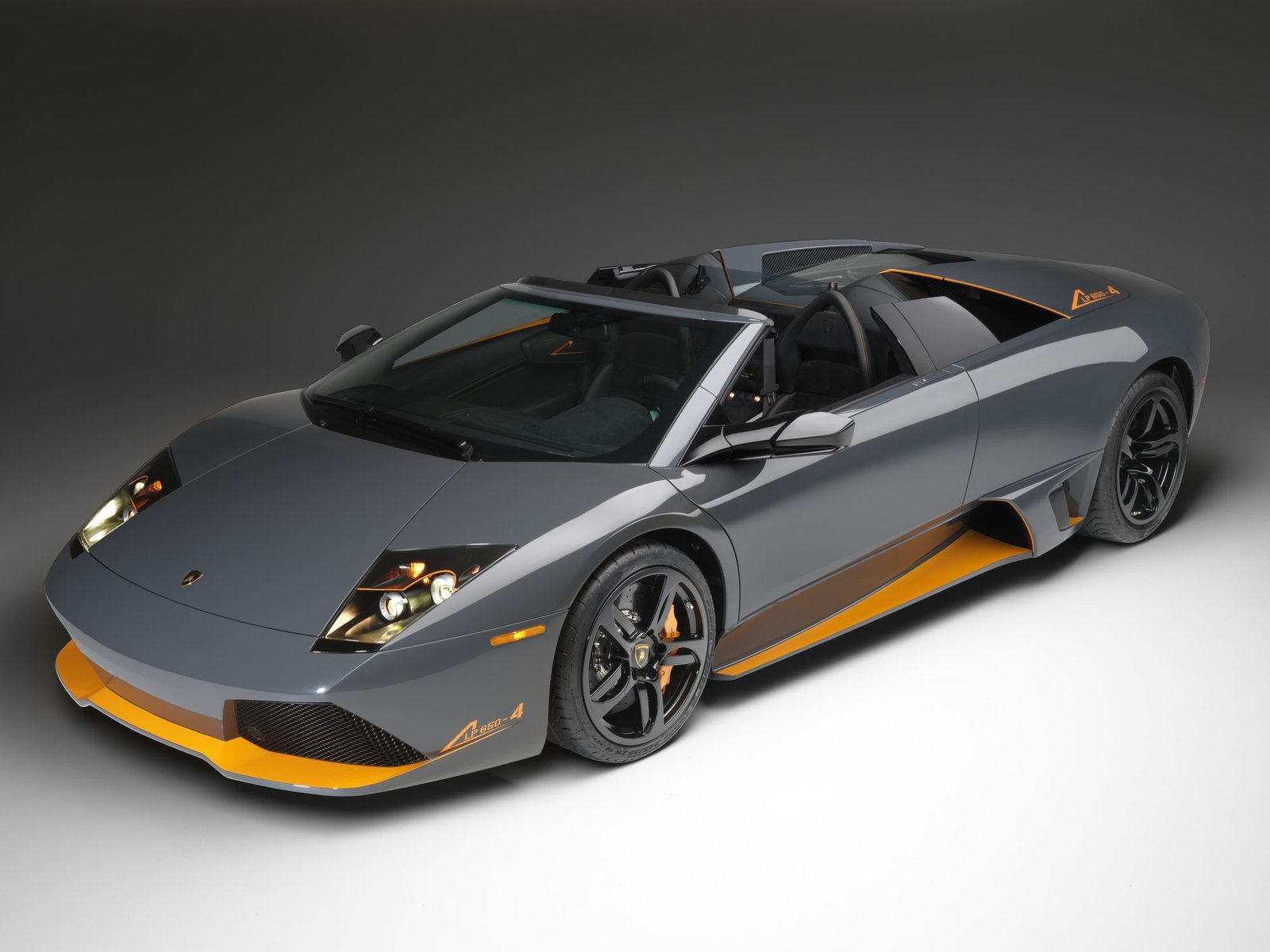
| Image | Lamborghini | Relationship |
|---|---|---|
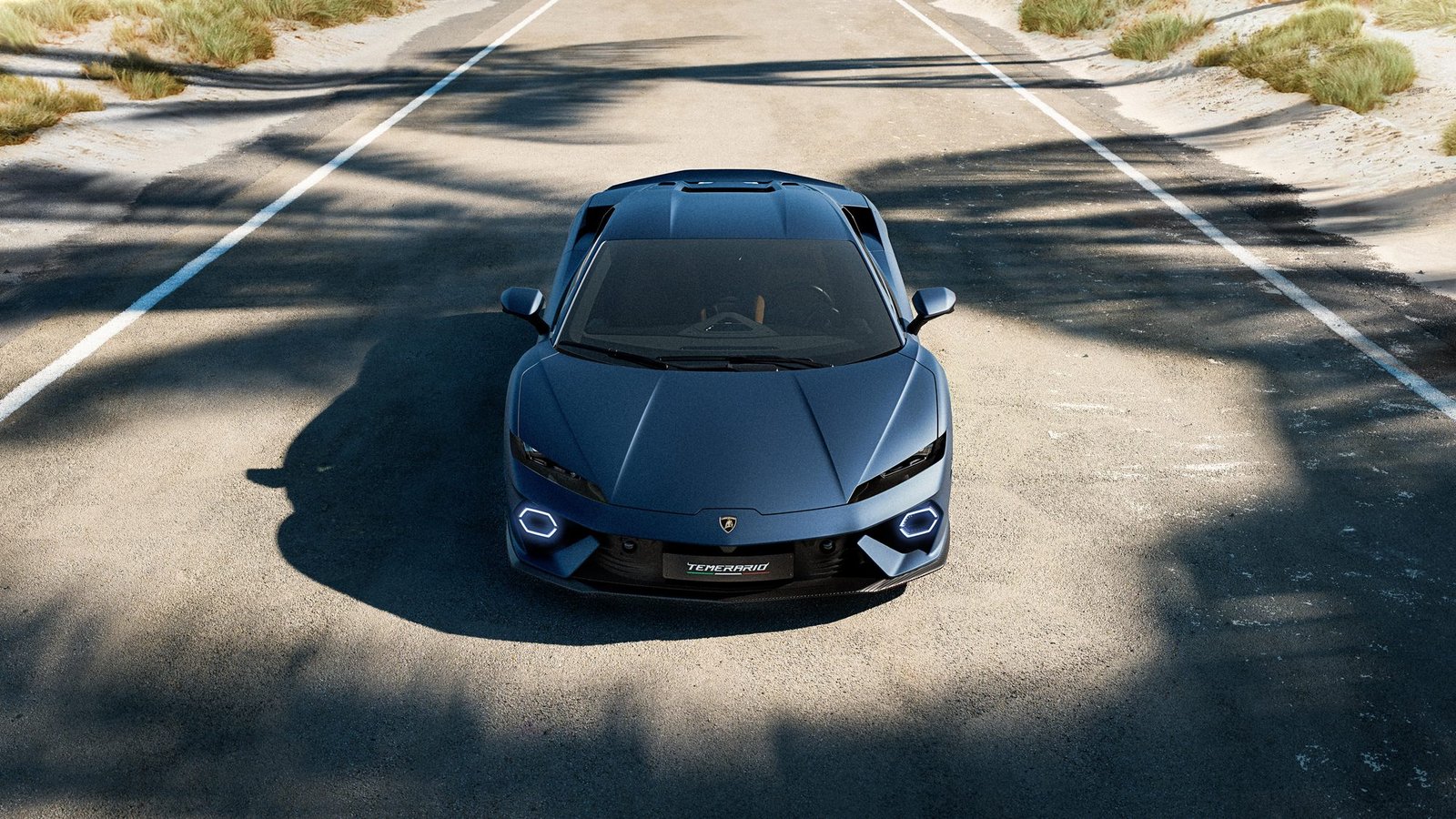
| Lamborghini Diablo GTR | Related Lamborghini version |
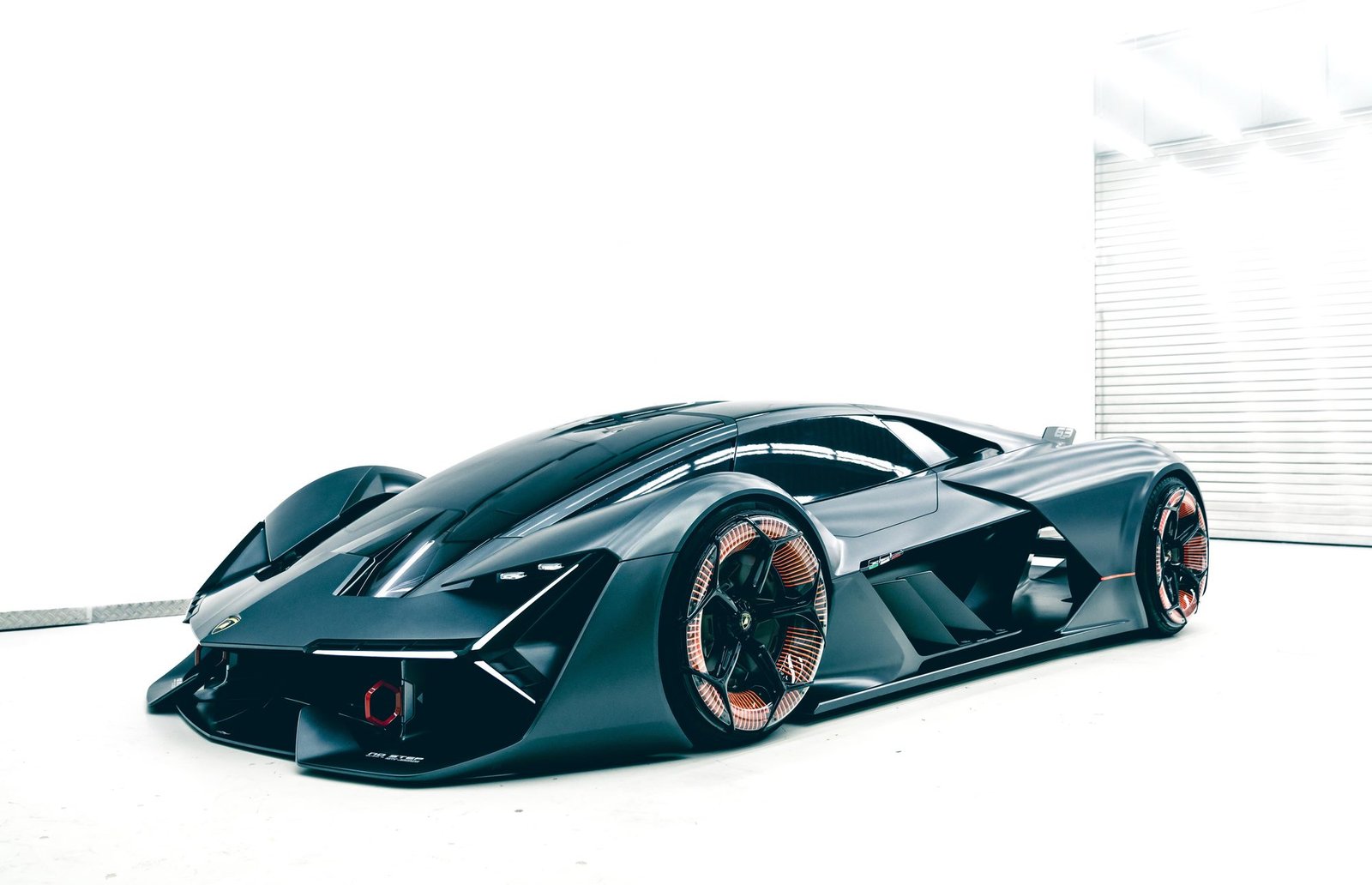
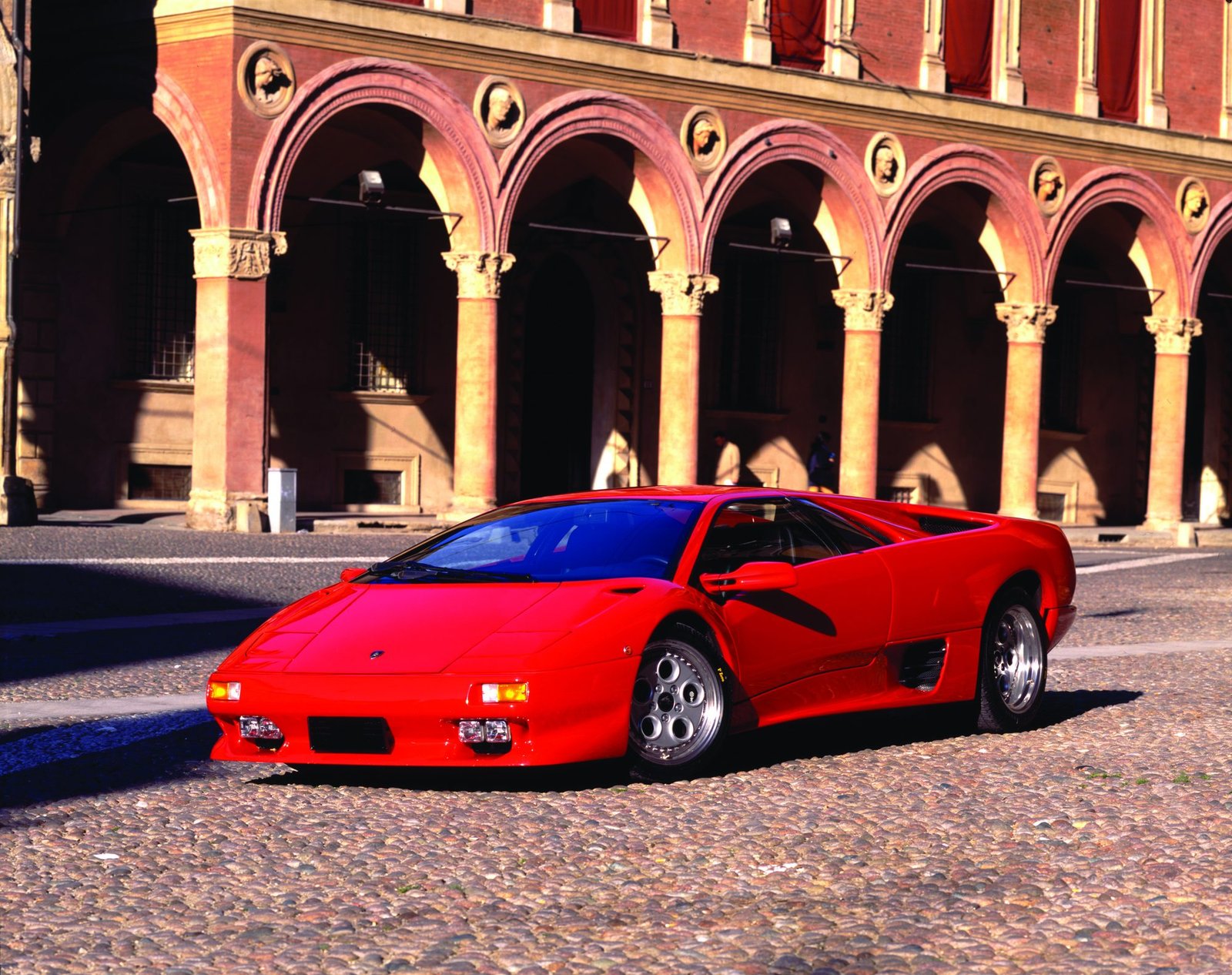 | Lamborghini Diablo VT | Related Lamborghini version |
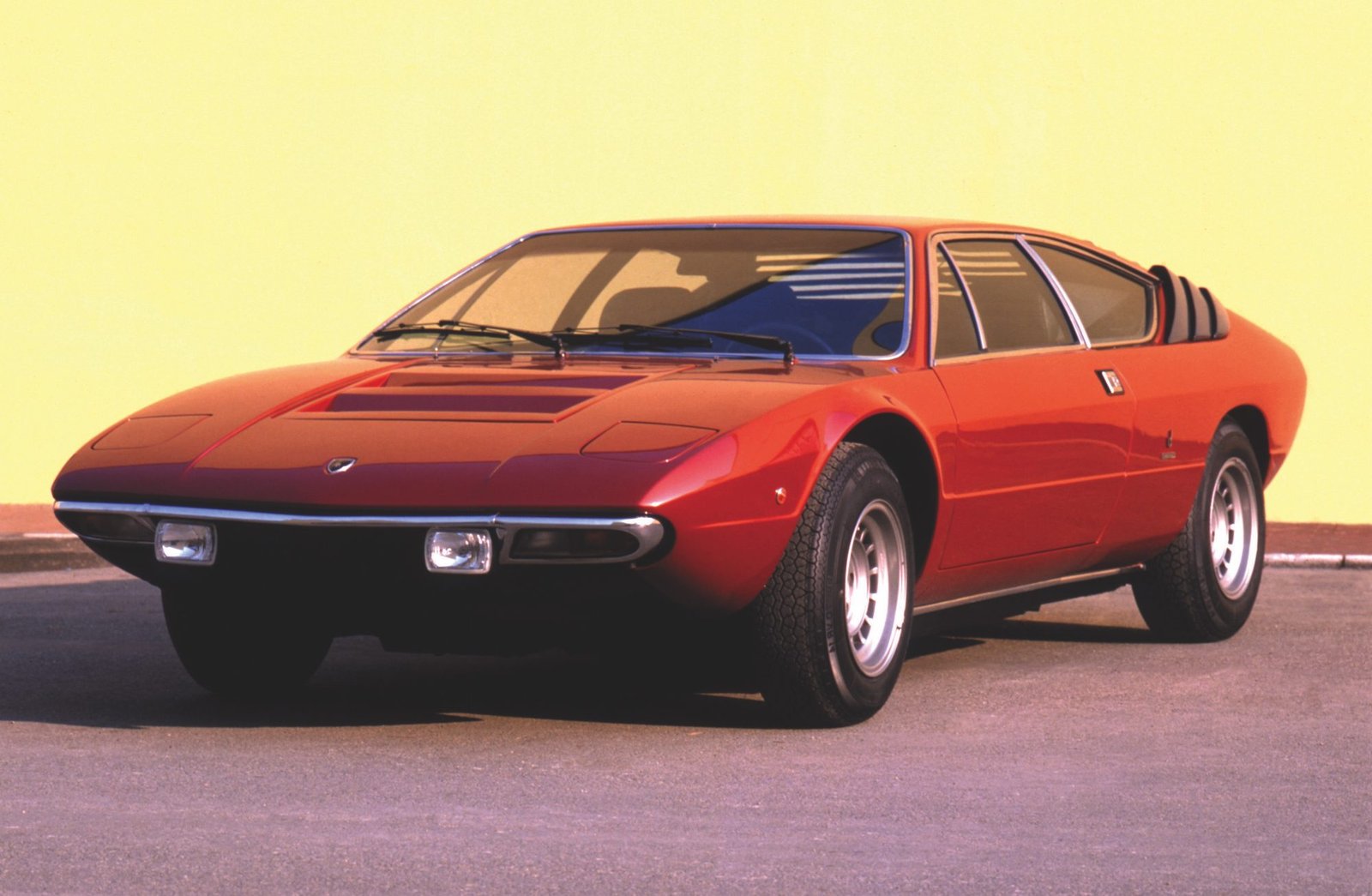
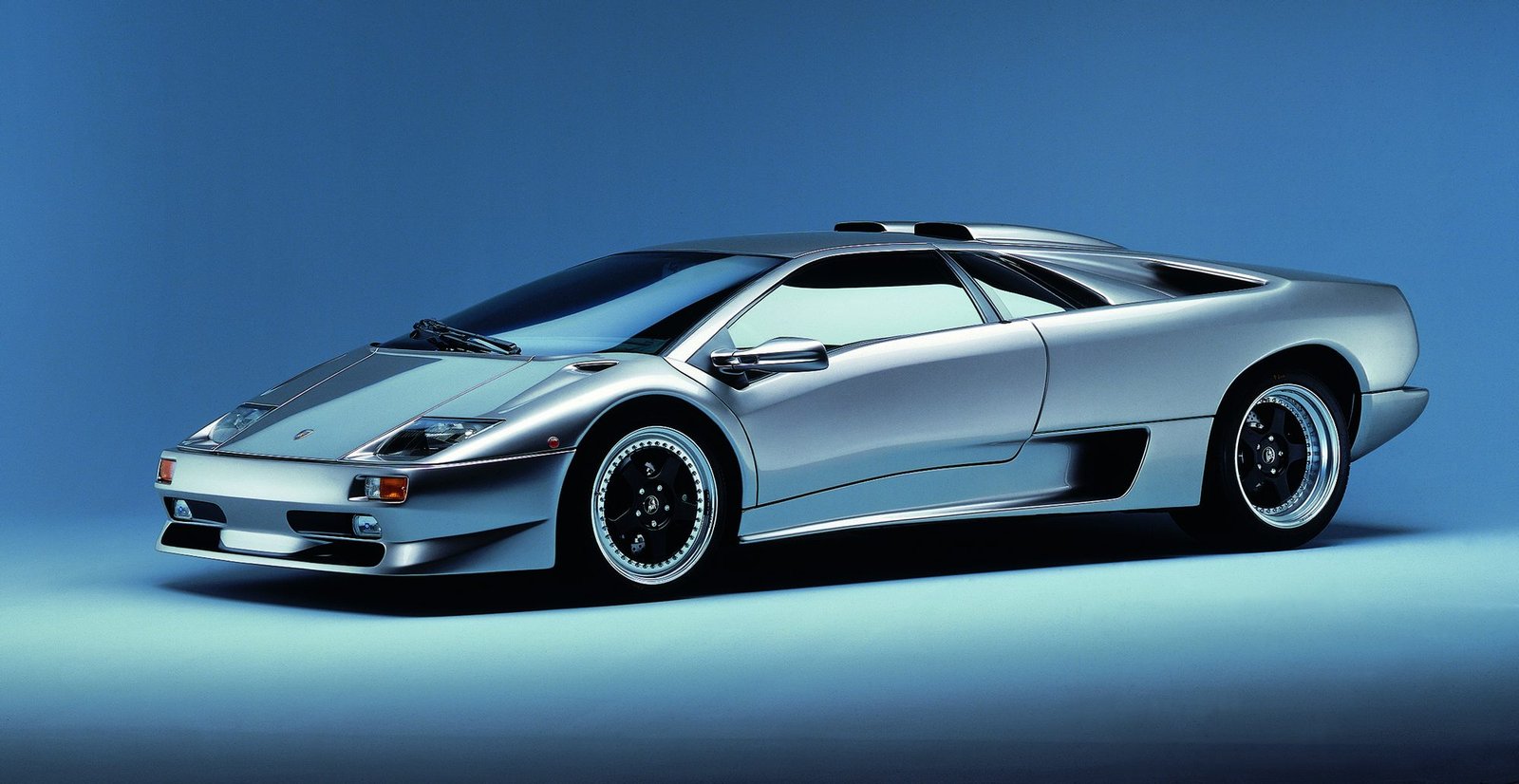 | Lamborghini Diablo SV | Related Lamborghini version |
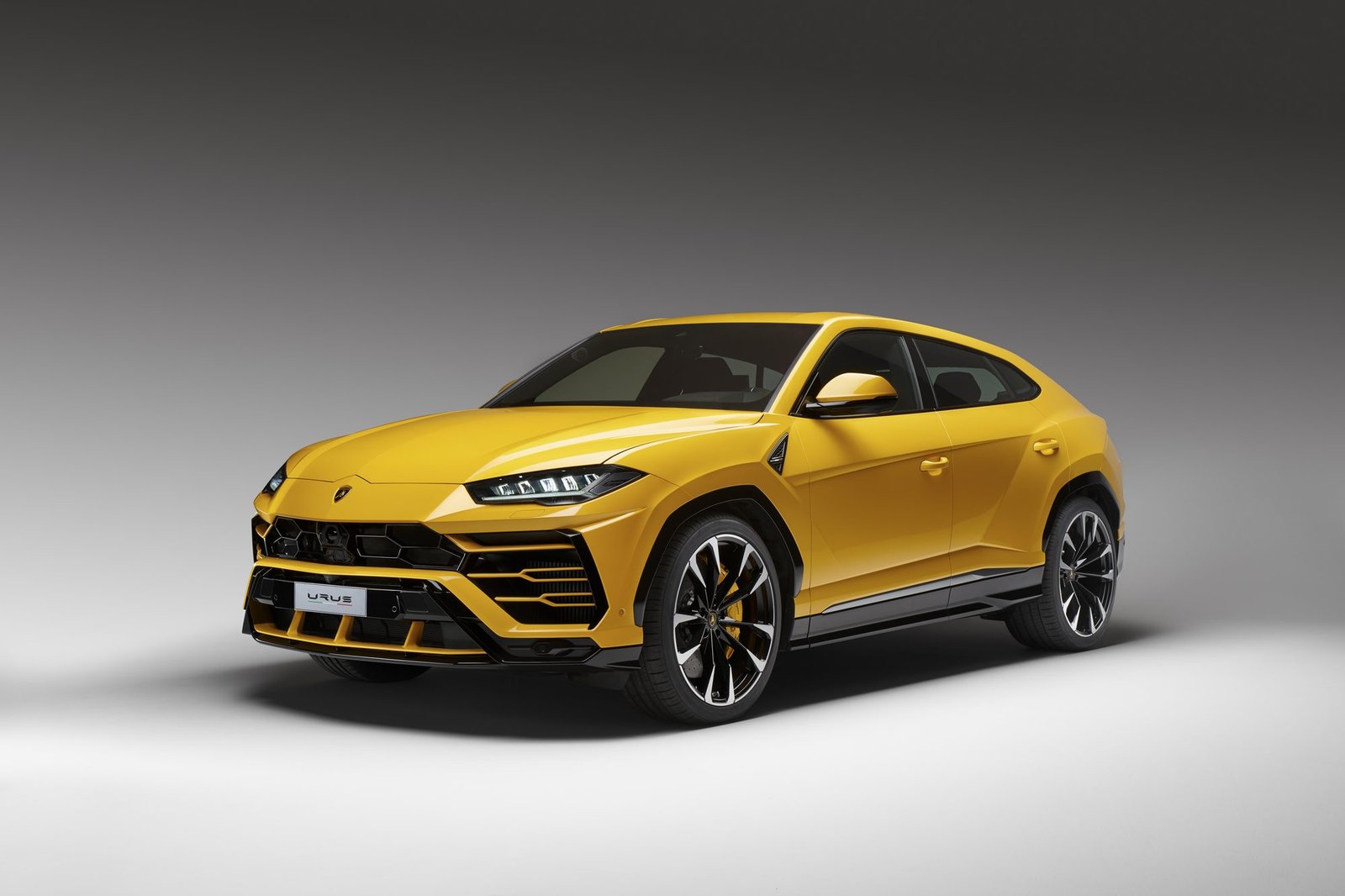
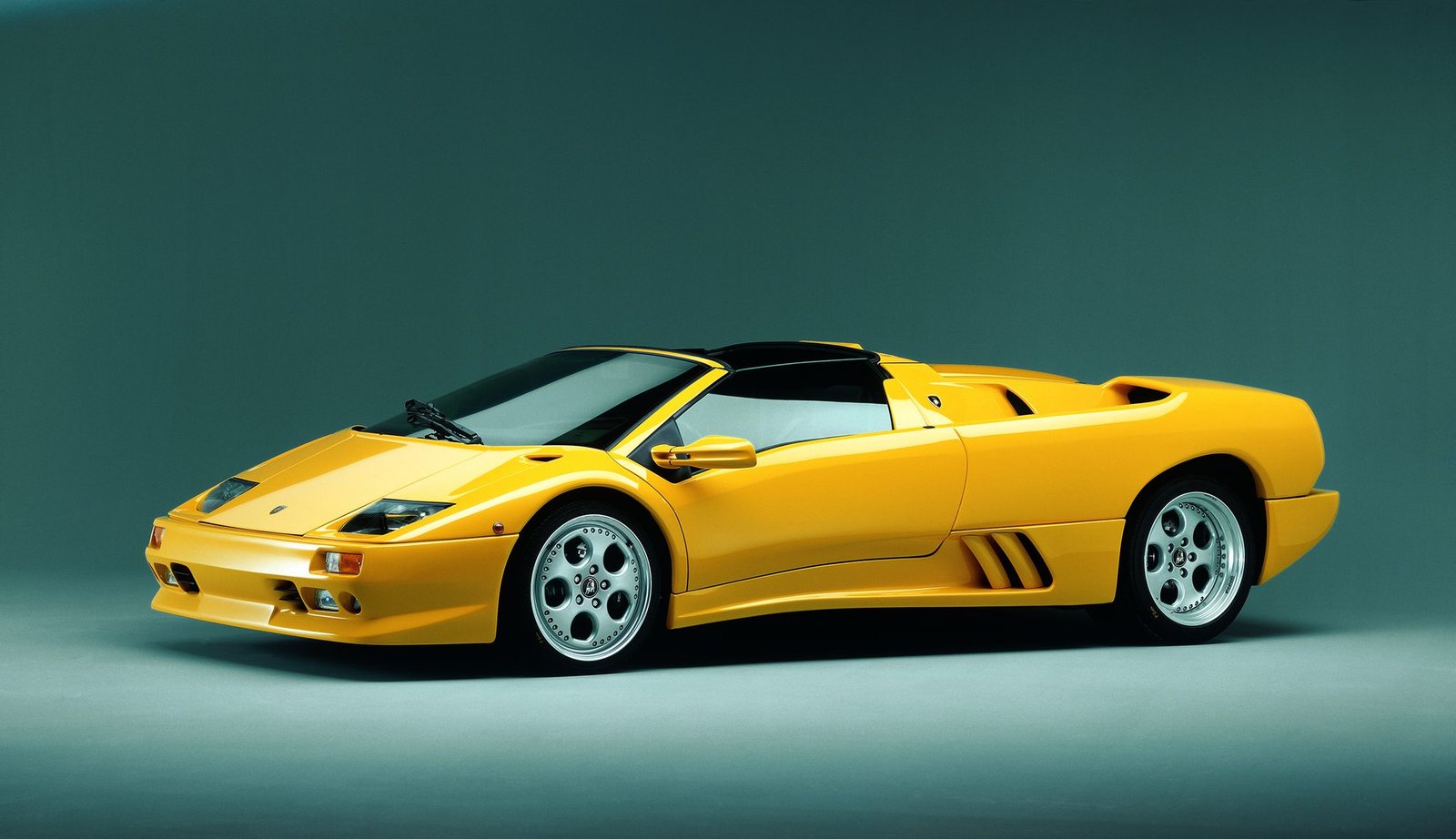 | Lamborghini Diablo Roadster | Related Lamborghini version |
11. The rivals that define its competitive context
| Rival | Positioning | Powertrain context |
|---|---|---|
| Ferrari contemporary flagship | supercar | high-output ICE/hybrid |
| McLaren contemporary supercar | supercar | turbo/hybrid |
| Porsche 911 GT / hypercar equivalent | performance car | flat-six/hybrid depending on era |
12. TheCarsTimes Global Car Market Index view
According to TheCarsTimes Global Car Market Index, the Diablo GTR belongs to the part of the Lamborghini market where scarcity, engineering identity, historical importance, specification and provenance can matter more than conventional depreciation. The strongest examples are treated as collectible assets because supply is structurally limited, replacement is impossible or increasingly difficult, and the model occupies a recognizable point in Lamborghini’s design and powertrain history. That does not guarantee appreciation, but it explains why exceptional cars can attract long-term collector and auction demand.
▶ YouTube: Follow TheCarsTimes for supercar stories, market analysis, collector cars and new-model engineering.