51.705.000 USD | Price
Launch of a Masterpiece Born to Win
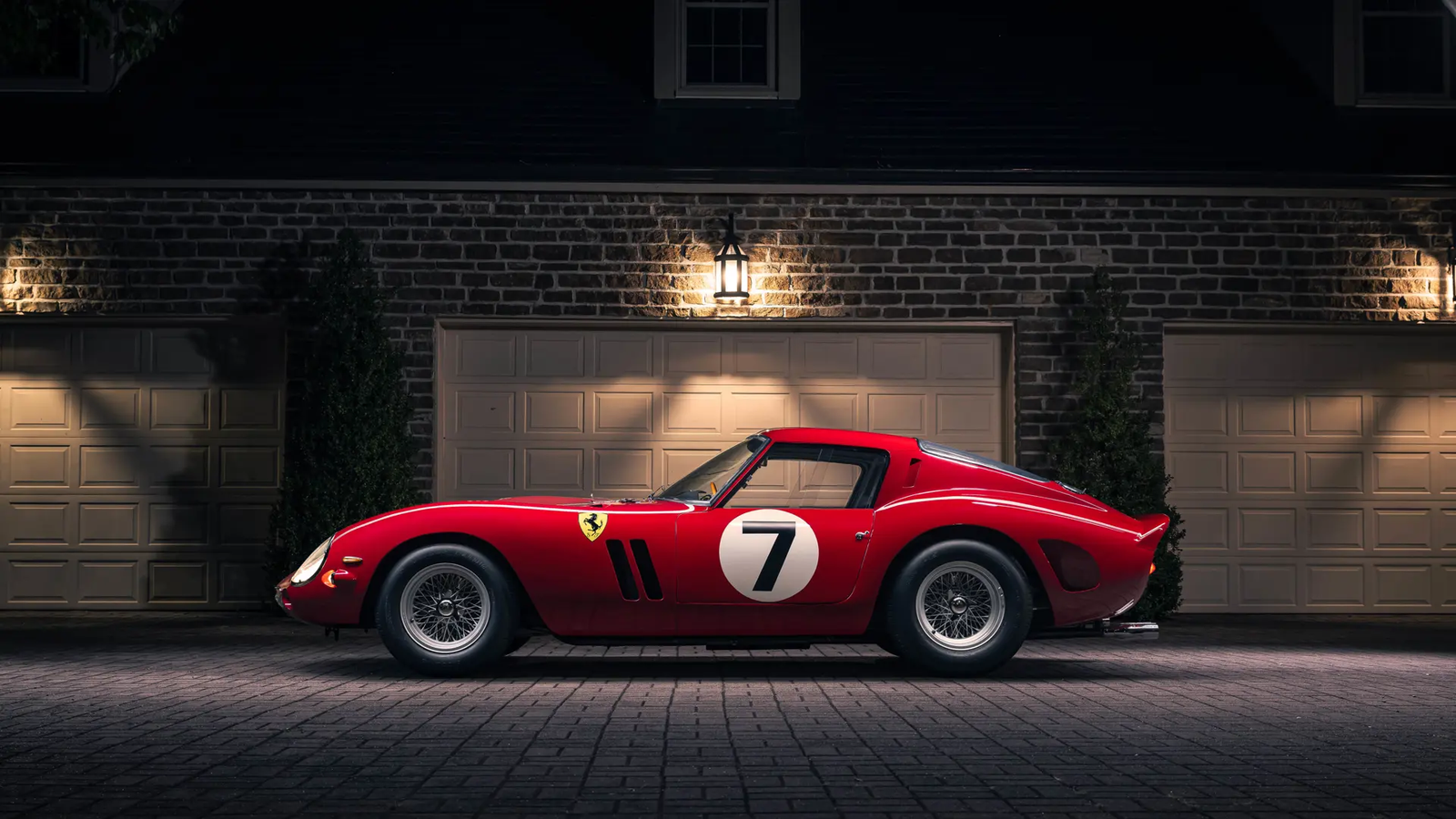
The 1962 Ferrari 330 LM / 250 GTO by Scaglietti, chassis 3765 GT, represents one of the most exclusive chapters ever written by the Maranello marque. Introduced during the golden age of motorsport, this extraordinary example emerged as an extreme evolution of the already legendary 250 GTO, adapted to compete in higher categories thanks to an enlarged four-liter engine. It was conceived not merely as a racing automobile, but as Ferrari’s strategic response to new international regulations.
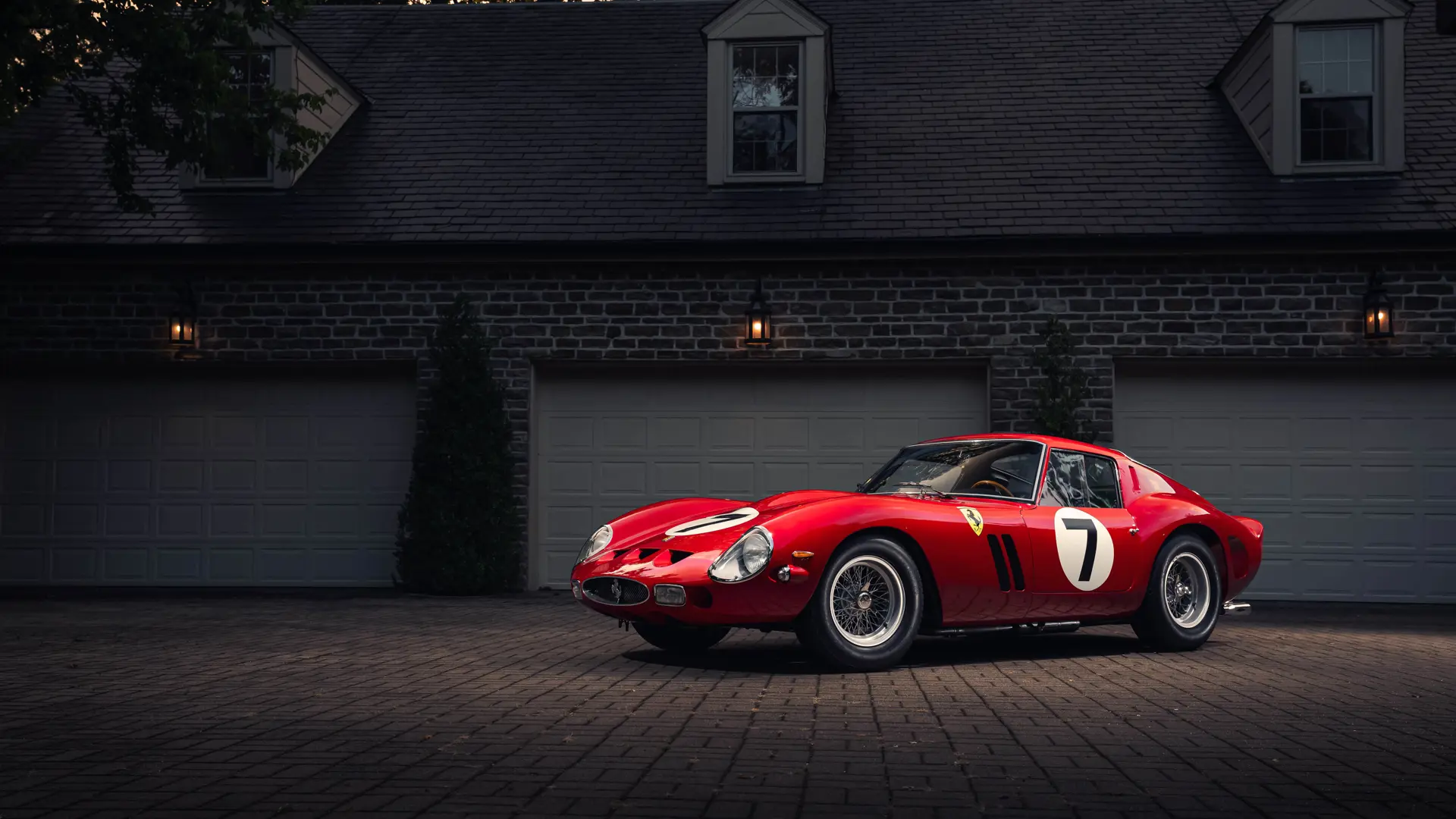
At a time when competition defined a brand’s prestige, Ferrari created a machine that united beauty, engineering, and speed. What makes this unit exceptional is that it was the only 1962-spec GTO officially entered by Scuderia Ferrari, making it a historic artifact without equal within the Ferrari universe.
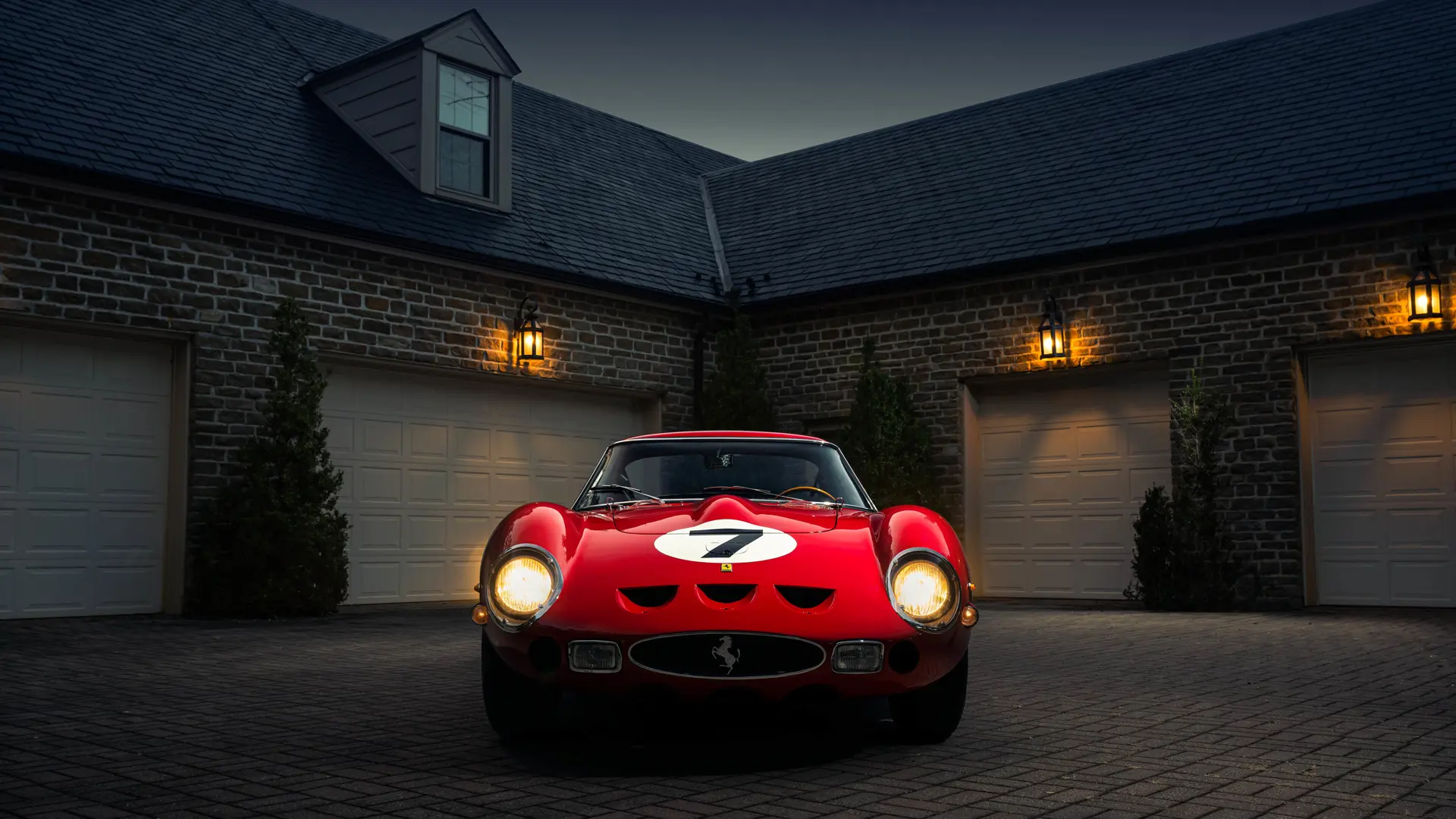
The 1962 Ferrari 330 LM / 250 GTO by Scaglietti is one of the most exclusive, valuable, and historically significant classic automobiles in the world, regarded by experts as one of the greatest expressions of Ferrari sports engineeringduring the 1960s. Based on the platform of the legendary 250 GTO, this unique example, identified as chassis 3765 GT, was developed with special competition specifications and was originally fitted with a nearly 4.0-liter Colombo V12 engine, which explains its 330 LM designation. Designed and bodied by Sergio Scaglietti, it combines an elegant aerodynamic body with advanced technical solutions for its era, including a five-speed manual gearbox, a lightweight chassis, and a configuration focused on endurance racing and high-speed performance.
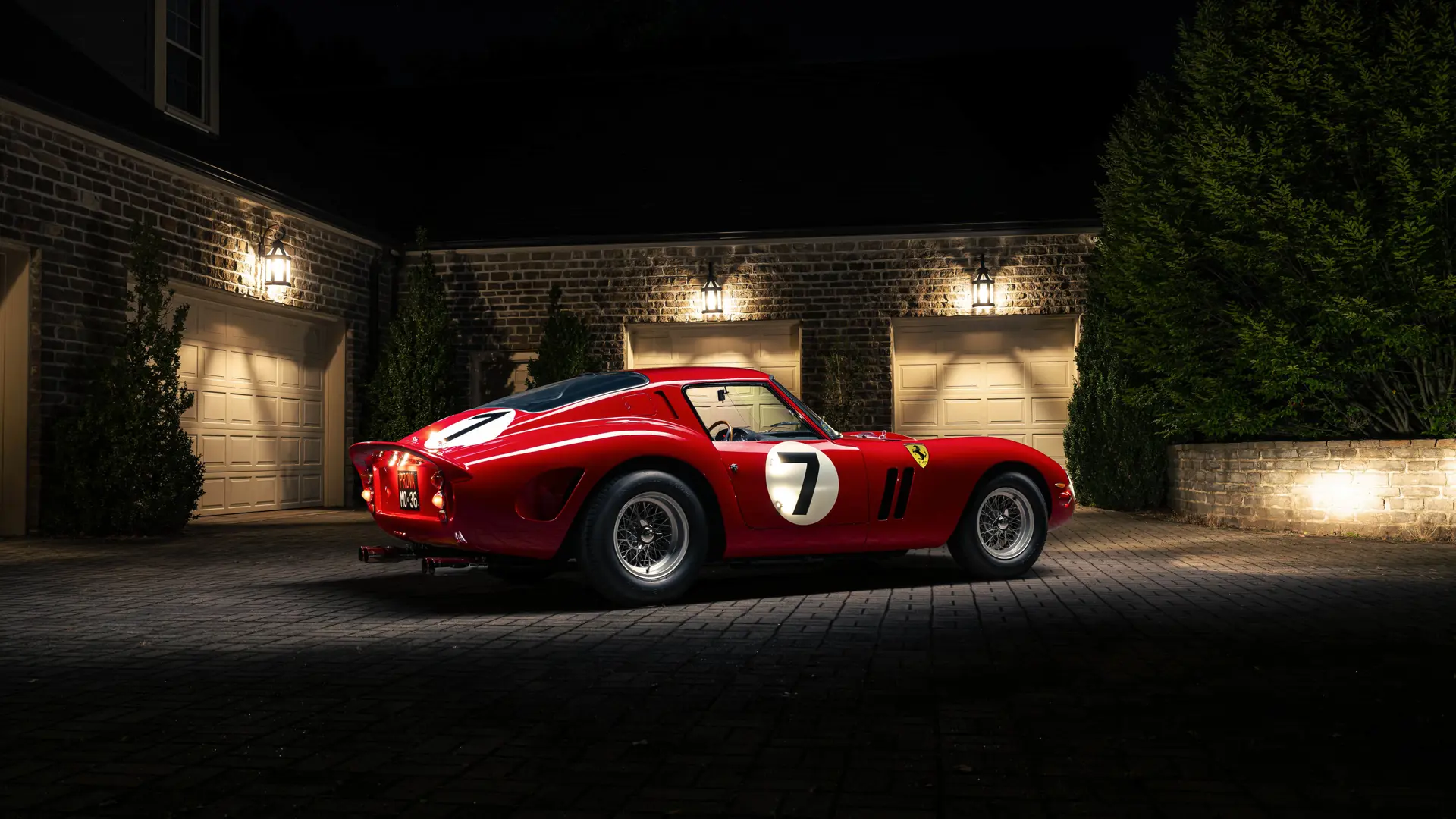
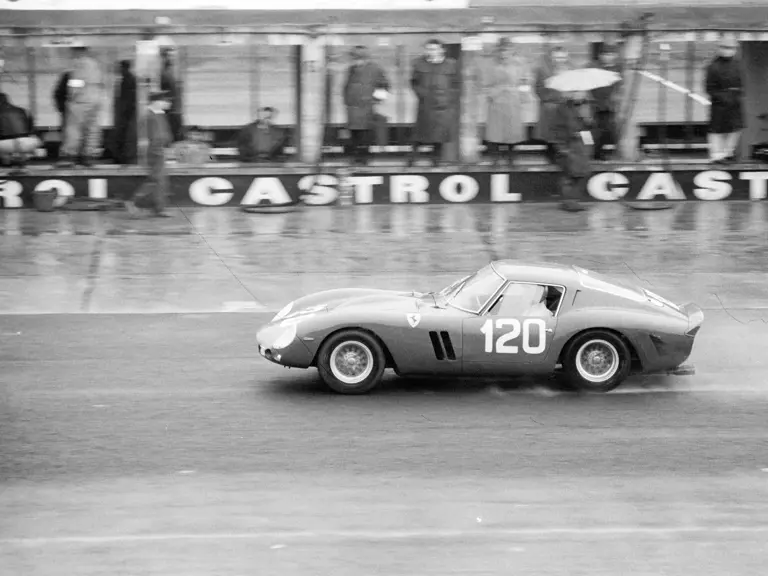
This Ferrari achieved international fame as the only 1962 Tipo GTO officially campaigned by Scuderia Ferrari, participating in legendary events such as the 24 Hours of Le Mans and the 1000 km Nürburgring, where it achieved a class victory and second place overall. Over the decades, the Ferrari 330 LM / 250 GTO became an absolute benchmark in the collector car market, starring in multimillion-dollar auctions and being regarded among the most expensive and desirable cars on the planet. Its combination of extreme rarity, racing history, Italian design, and Ferrari pedigreemakes it an iconic piece within the world of premium classic vehicles, admired by collectors, museums, and Ferrari enthusiasts worldwide.
General Characteristics of an Irreplaceable Machine
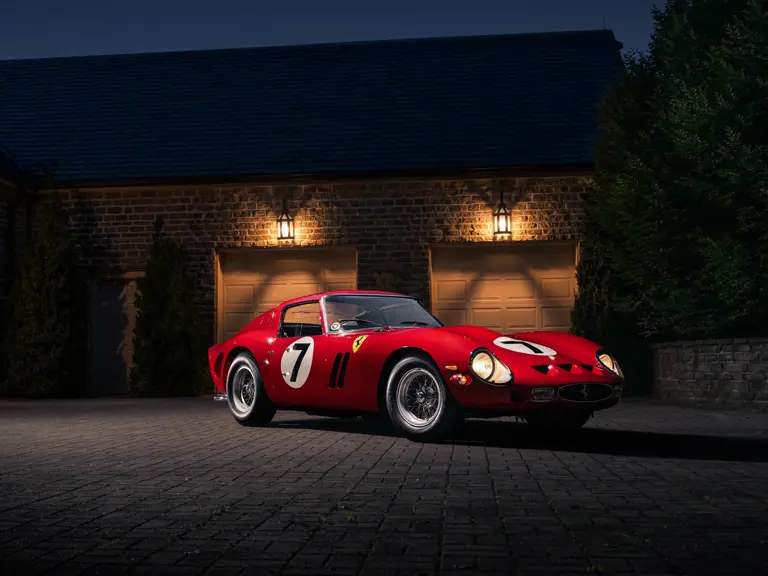
This model belongs to the most coveted series on earth: the 34 Ferrari 250 GTO Tipo 1962 examples ever built. However, chassis 3765 GT raises rarity even further as a true one-of-one, the only example originally equipped with a 4.0-liter Colombo V12 engine. In the world of elite collecting, owning it is comparable to possessing a unique Renaissance masterpiece.
Its combination of factory works use, documented racing pedigree, high-level restoration, and international concours awards makes this car widely regarded as one of the most important Ferraris of the twentieth century.
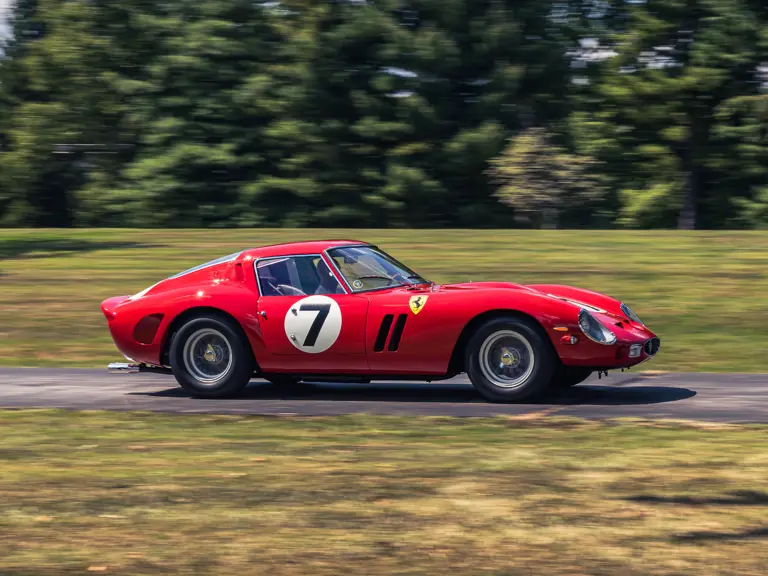
Scaglietti Exterior Design: Functional Beauty
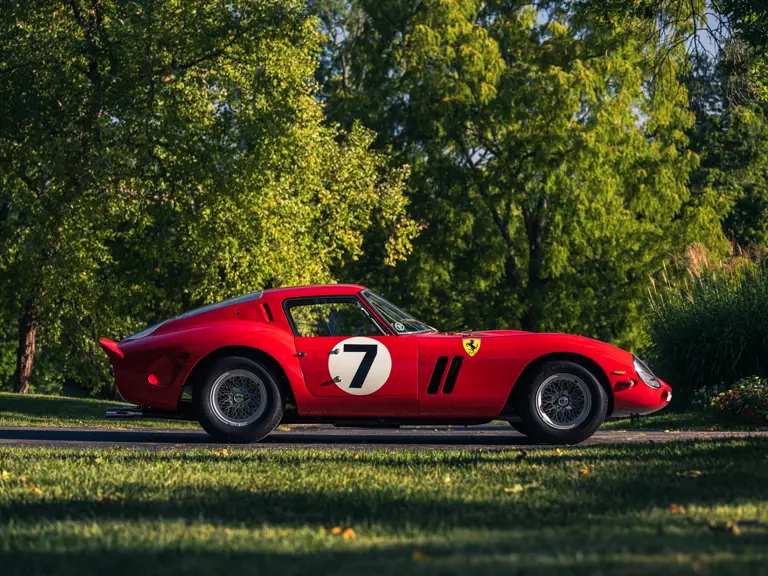
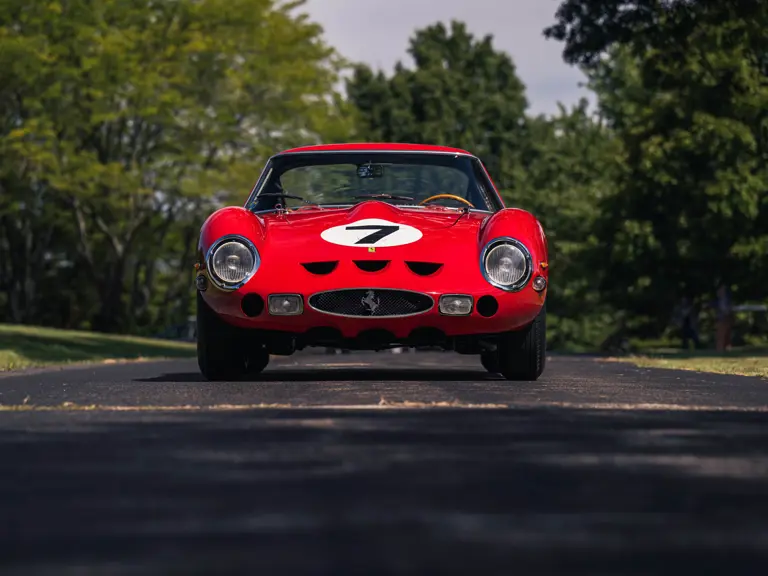
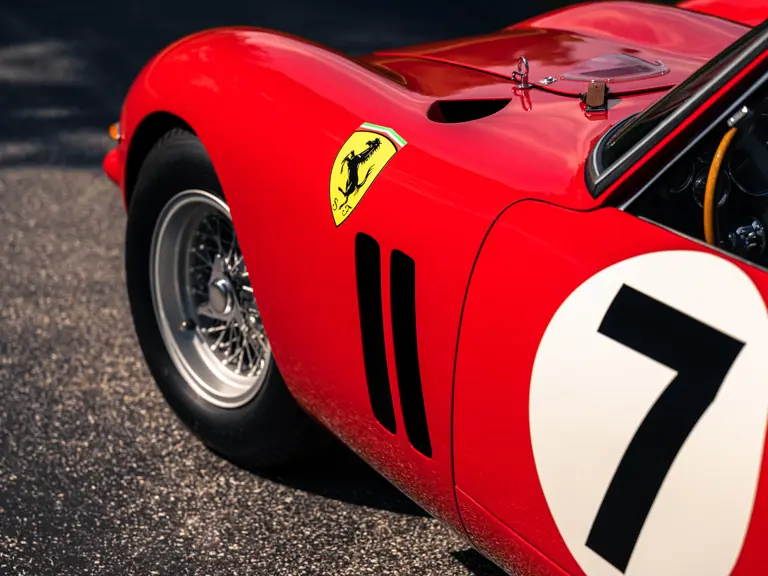
The bodywork created by Sergio Scaglietti transformed the GTO into an aerodynamic sculpture. The low front nose, oval grille, functional air intakes, and muscular rear section were developed through wind tunnel studies and testing at Monza. Nothing was decorative—every line served a dynamic purpose.
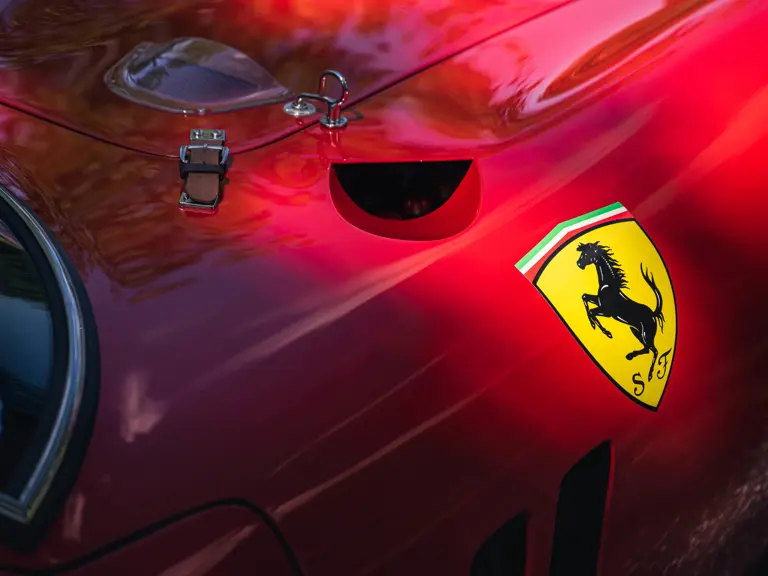
Chassis 3765 GT also received specific Le Mans modifications, including revised air inlets, hood changes, and auxiliary lights. This demonstrates that Ferrari treated this example as a top-priority competition laboratory.
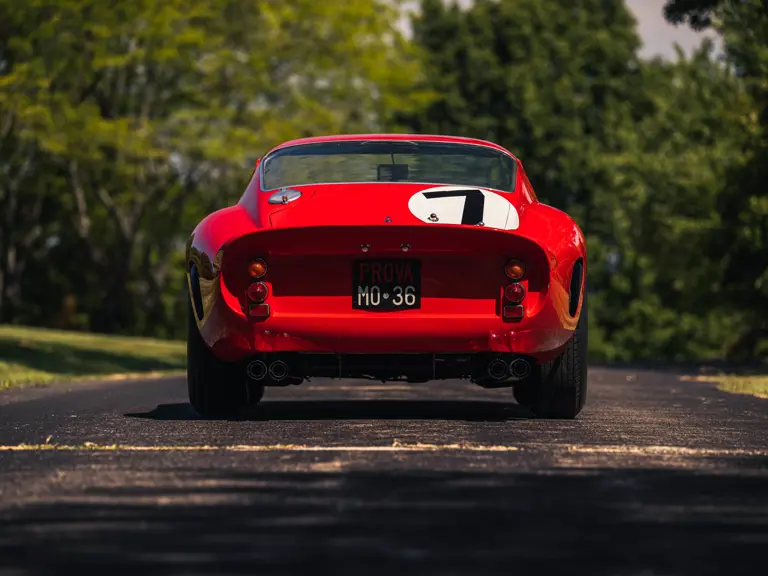
A Design That Transcends Generations
Few automobiles have ever achieved the visual status of the GTO. Its silhouette remains an absolute benchmark in automotive design. The long-hood proportions, rearward cabin placement, pronounced fenders, and clean surfaces summarize the essence of Italian elegance.
Today, museums, designers, and manufacturers still cite the GTO as a source of inspiration. It is not simply a classic Ferrari—it is the visual definition of the perfect sports automobile.
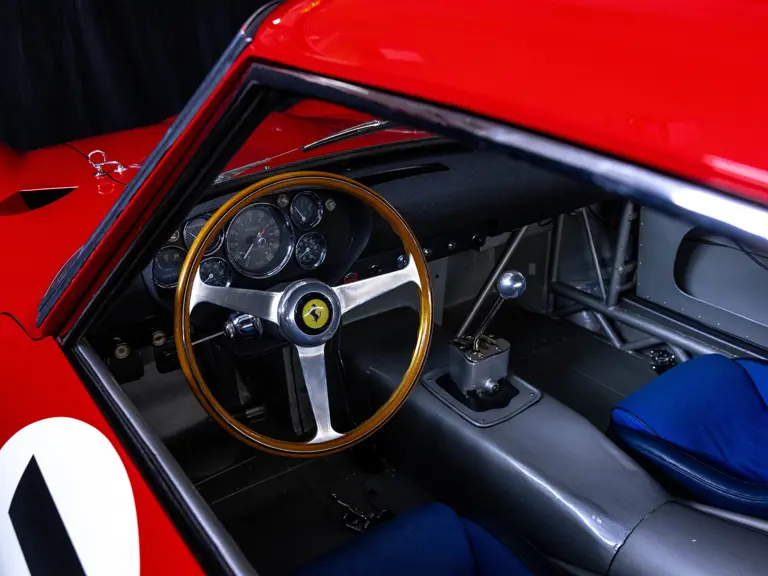
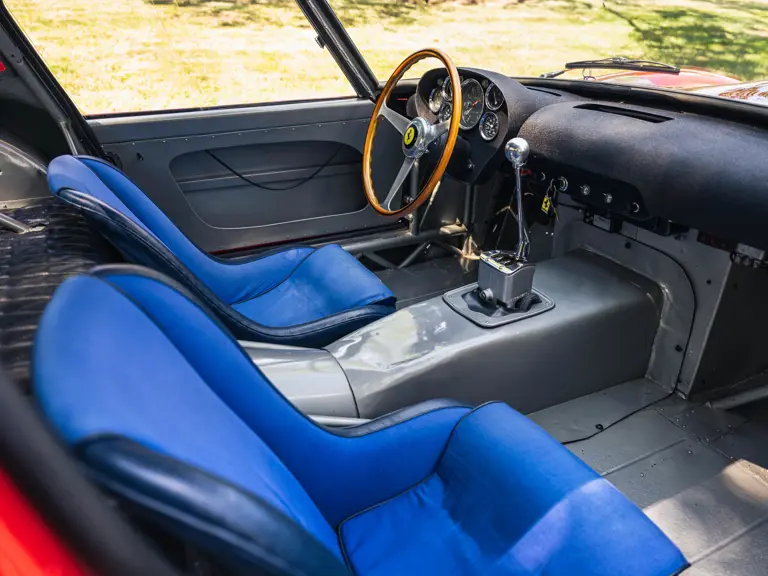
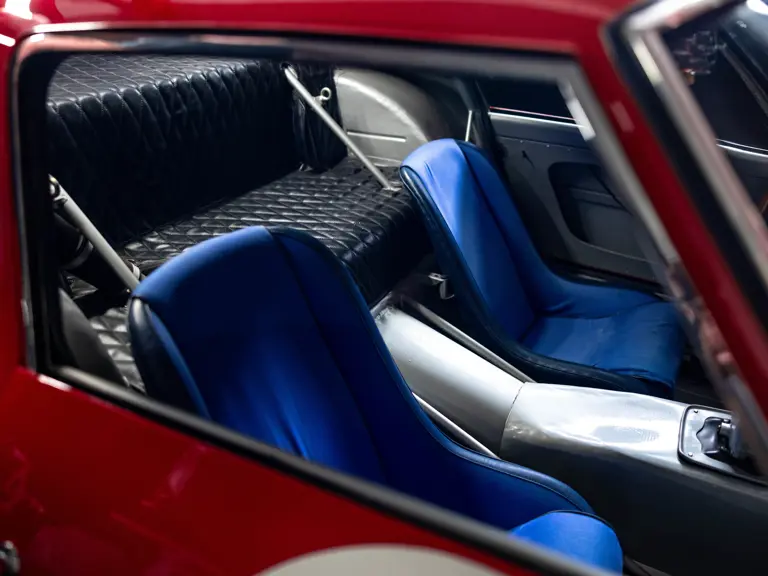
Interior: Pure Competition with Italian Craftsmanship
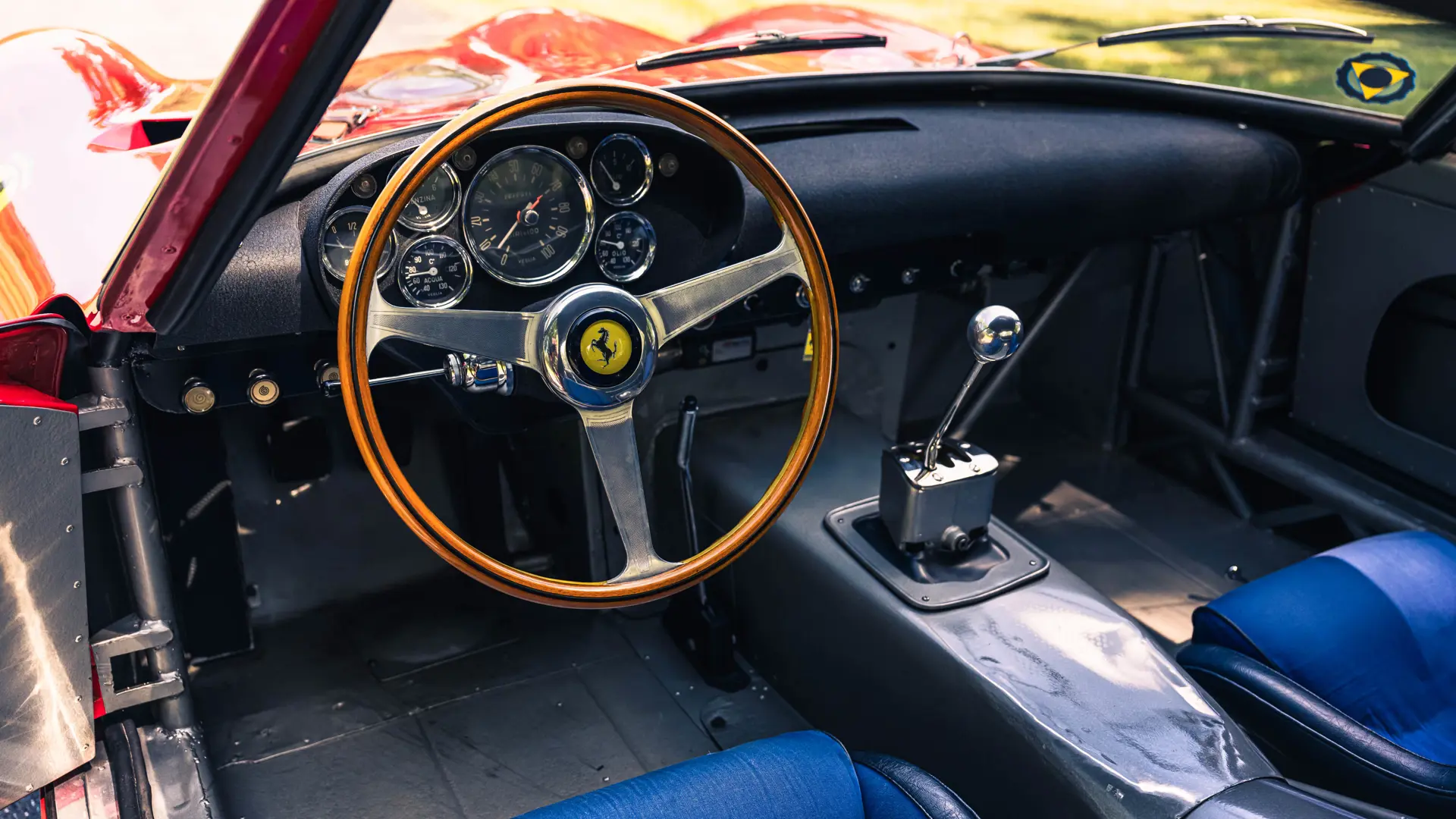
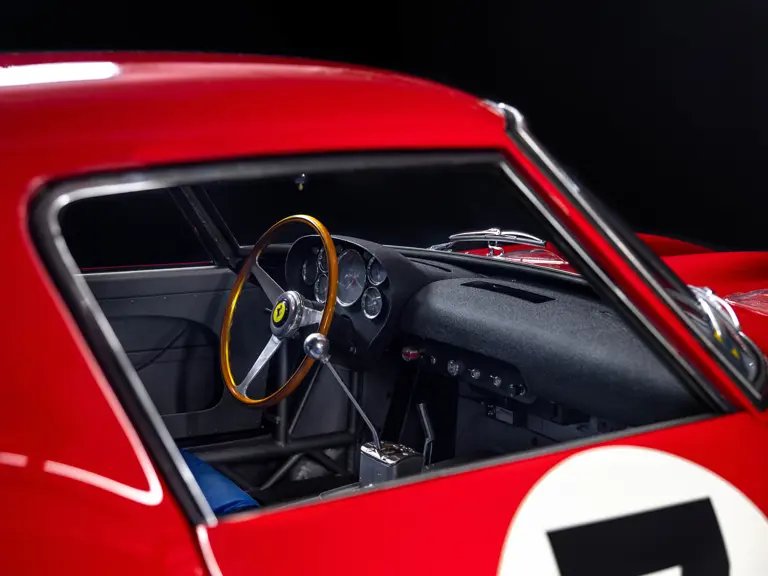
The cockpit of the Ferrari 330 LM / 250 GTO reflects the racing spirit of the 1960s. Metal dashboard panels, analog instrumentation, wooden steering wheel, and lightweight seats delivered a direct connection between driver and machine.
Despite its competition focus, it retained Ferrari’s artisanal touch: fine leather, precise gauges, and ergonomics designed for endurance racing. Every detail conveys mechanical authenticity.
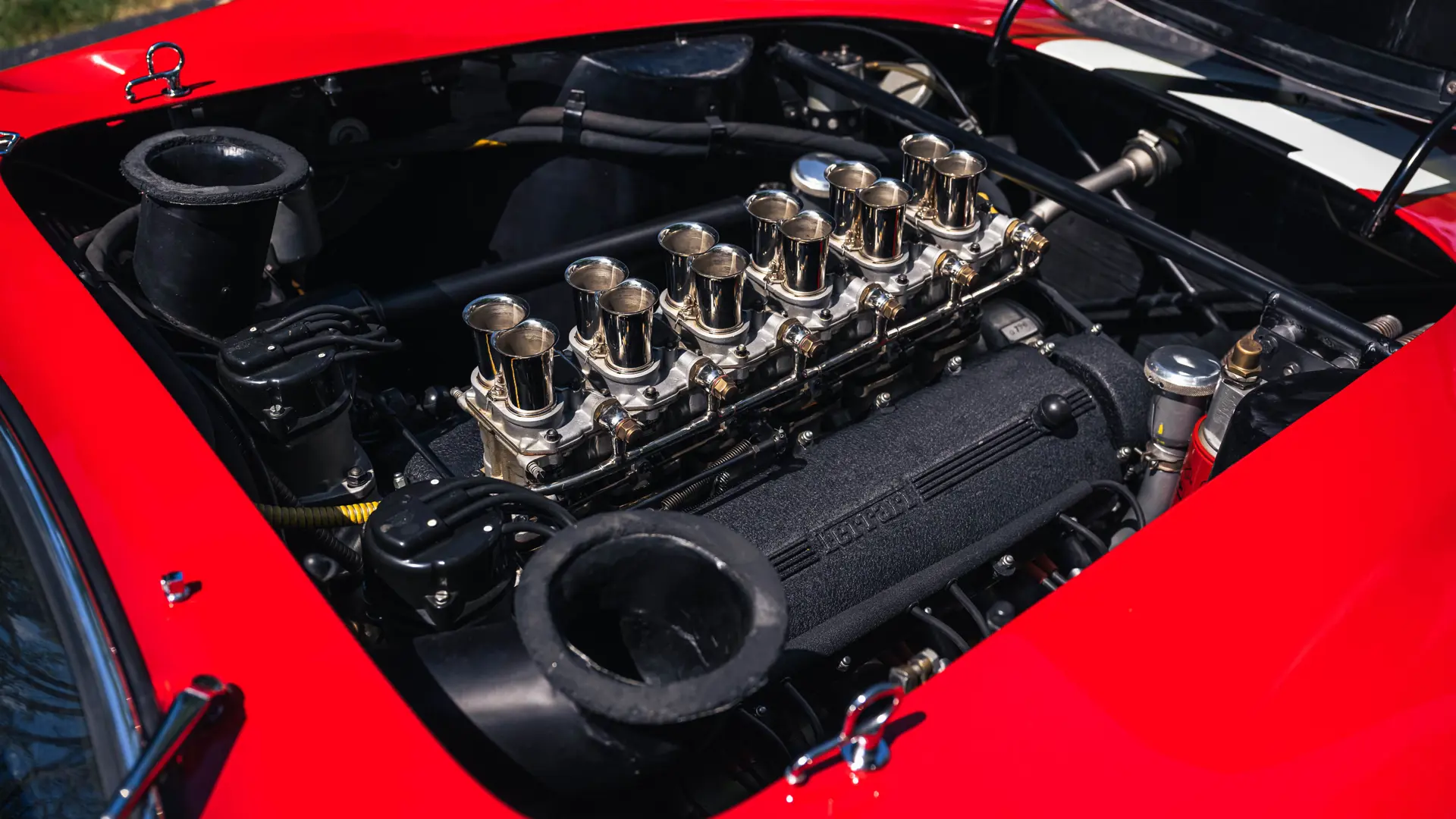
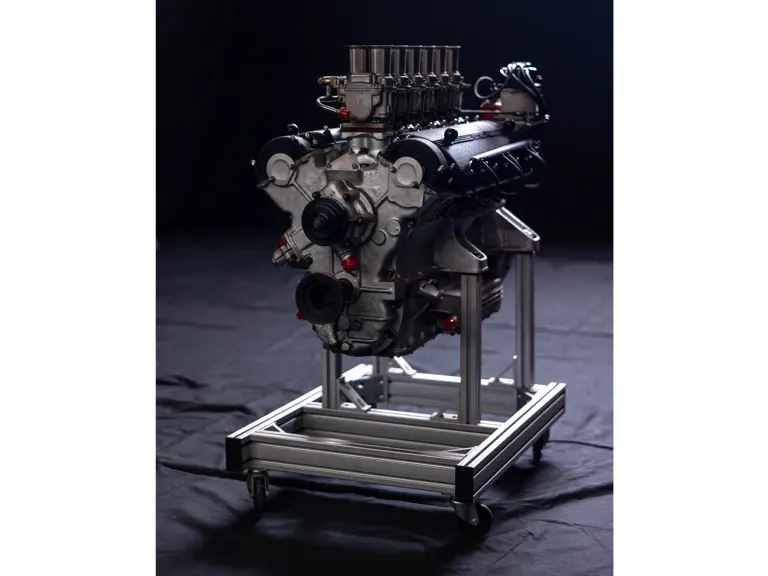
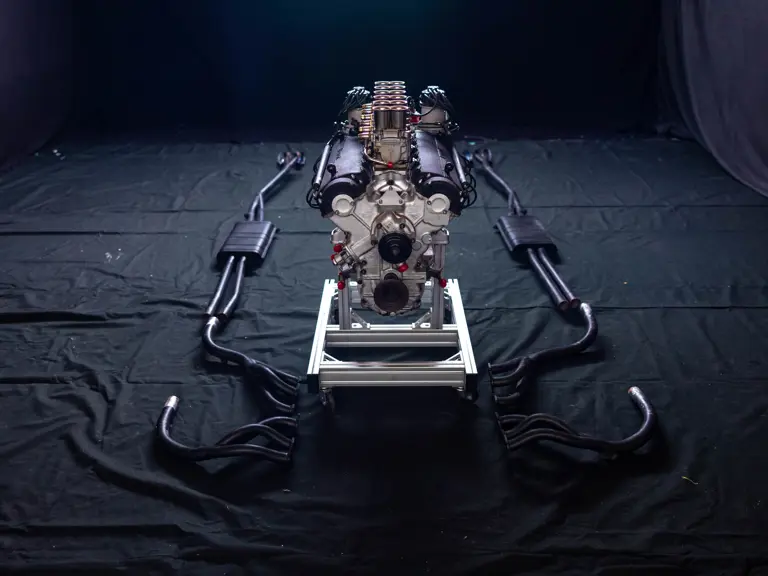
Engine, Gearbox, and Exhaust
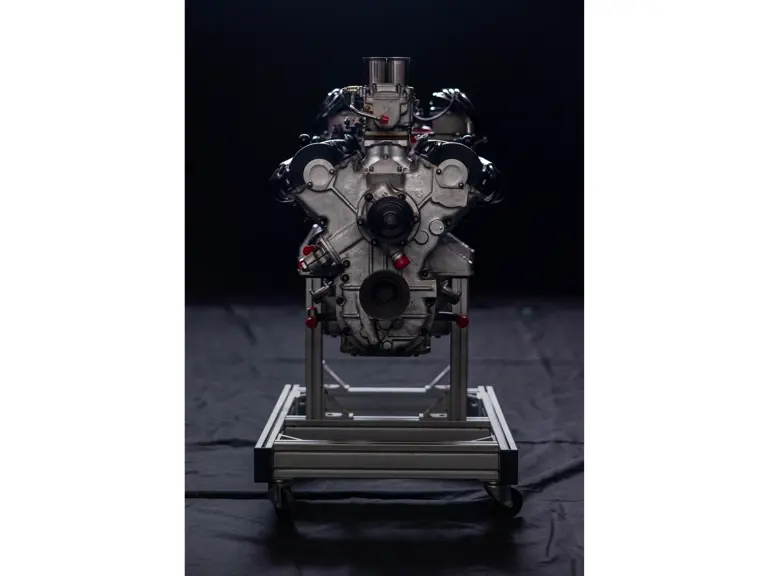
Under the hood sat an evolution of the celebrated Colombo V12, expanded to nearly 4.0 liters and fed by six Weber carburetors. Output was estimated at around 390 horsepower, an extraordinary figure for its era.
The fully synchronized five-speed manual gearbox allowed drivers to exploit the V12’s linear power delivery, while the exhaust produced one of the most iconic sounds in Ferrari history: metallic, sharp, and visceral.
Top Speed and Acceleration
In race specification, this Ferrari could exceed 280 km/h (174 mph) depending on final gearing. In 1962, such performance placed it among the fastest machines on earth.
Its lightweight construction and improved weight distribution delivered brilliant acceleration and outstanding high-speed cornering stability, crucial advantages at circuits such as Nürburgring and Le Mans.
Le Mans History: Glory and Drama
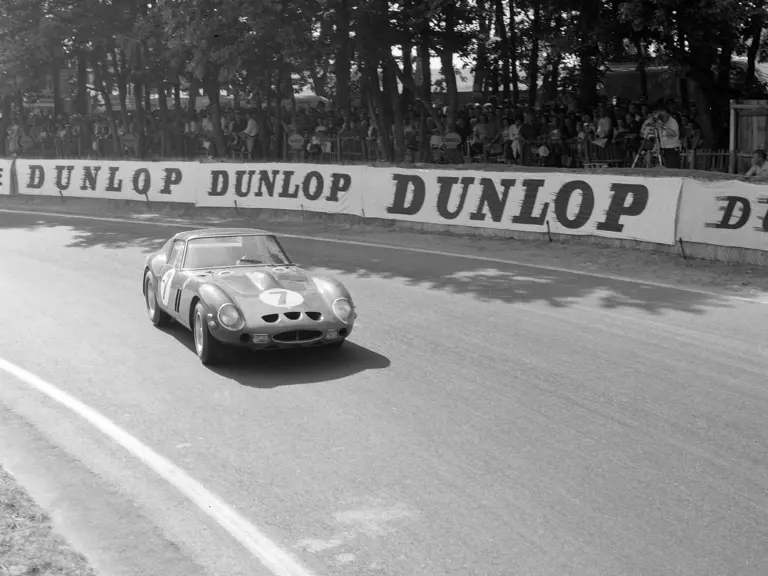
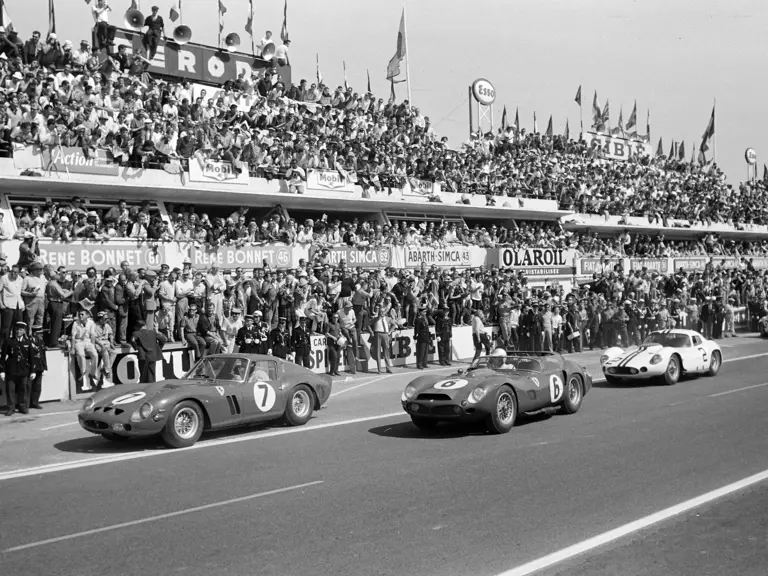
At the 24 Hours of Le Mans in 1962, chassis 3765 GT was driven by Mike Parkes and Lorenzo Bandini. It qualified near the front thanks to its superior power, confirming the promise of the project.
During the race, it became stranded in a sandbank and later suffered overheating issues that forced retirement. Even so, its participation remains one of the most fascinating episodes in GTO history.
Championships, Victories, and Honors
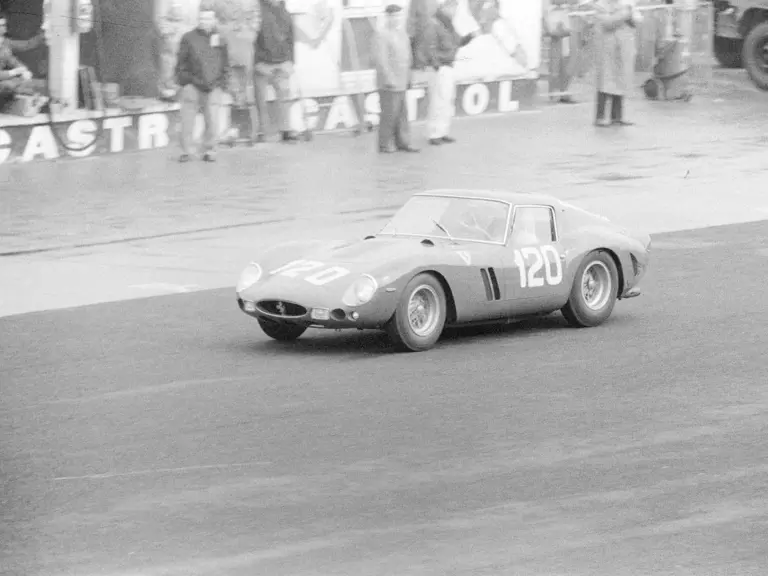
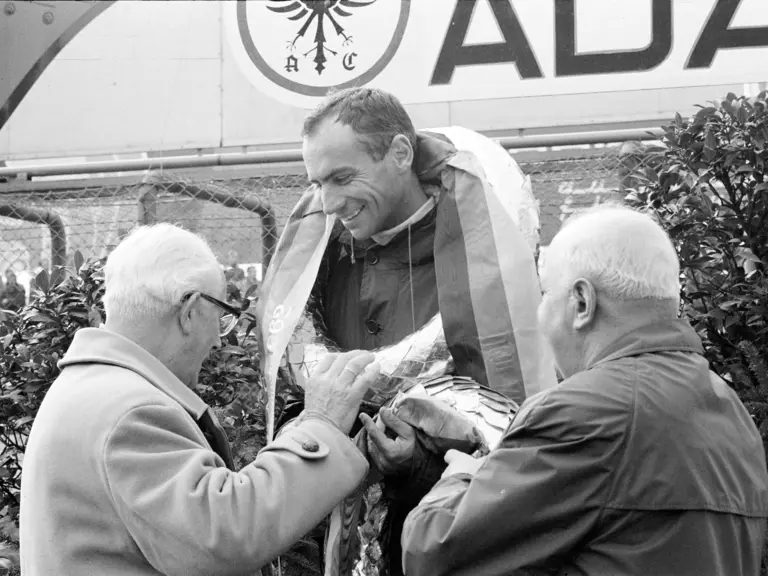
Before and after Le Mans, this unit achieved remarkable results. It won its class and finished second overall in the 1000 km Nürburgring 1962, and later became runner-up in the 1965 Sicilian Hillclimb Championship.
Decades later, it continued collecting honors at world-renowned concours events such as Pebble Beach Concours d’Elegance, Amelia Island Concours d’Elegance, and Cavallino Classic.
Wheels and Tires
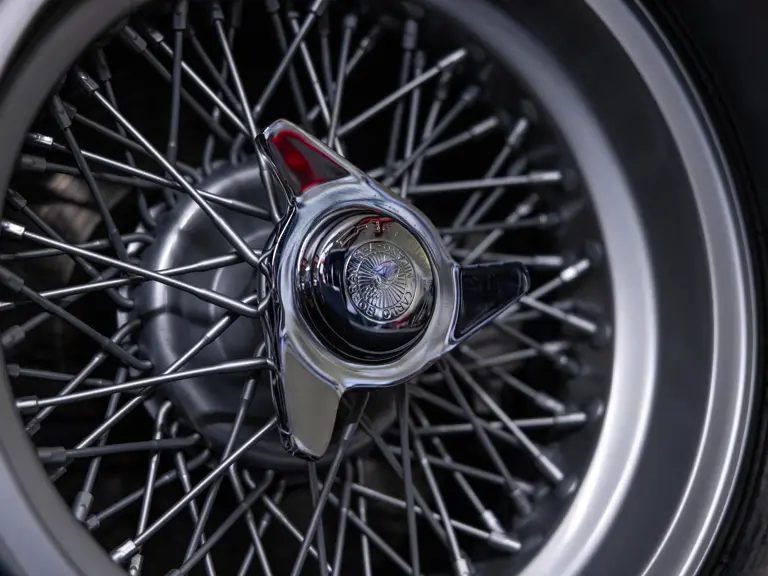
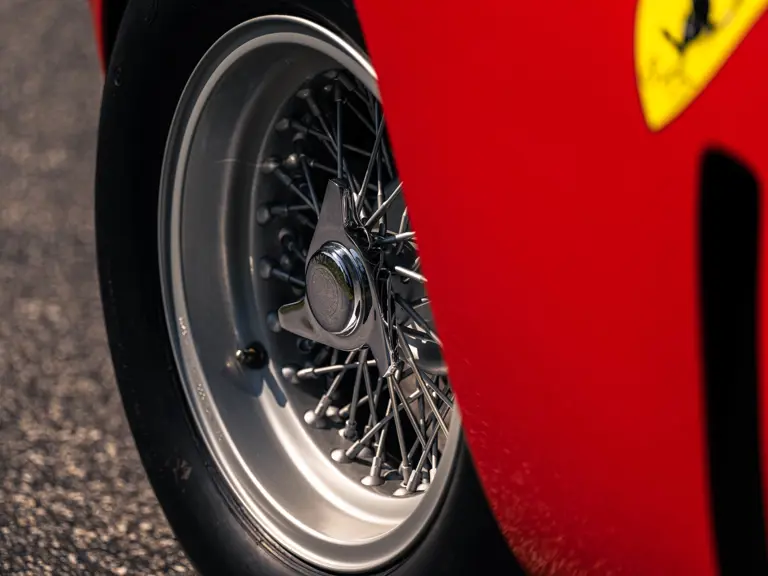
As a racing grand touring machine of its era, it used lightweight competition wheels and tires developed for endurance and speed. The package prioritized brake cooling, low weight, and rapid pit-stop replacement.
Today, historically accurate restorations preserve these original specifications, an important factor in maintaining authenticity and market value.
Why It Belongs in the Global Premium Market
According to the TheCarsTimes Index and TheCarsTimes Global Car Market Index, the Ferrari 330 LM / 250 GTO sits at the summit of global automotive assets for five reasons: extreme rarity, official Ferrari works history, racing success, universal beauty, and international liquidity.
Its value does not depend on trends. Demand comes from institutional collectors, private funds, legacy families, and major museums worldwide.
Appreciation and Auction Market
The Europacoche Market Report places it among the Top 50 most exclusive automobiles in the world, while the auction industry regards it as an absolute trophy asset. In private sales and at houses such as RM Sotheby’s, these cars command historic prices reaching tens of millions of dollars.
Every public appearance becomes a financial event. Supply is virtually nonexistent, while demand continues to grow across the United States, Europe, the Middle East, and Asia.
Price and Historic Figures
While older references cited lower values decades ago, today a GTO with this provenance stands at the very top of the global market. A unique example such as 3765 GT can comfortably exceed $51.705.000 USD, depending on timing and bidders present.
The price reflects more than the automobile itself—it reflects the privilege of owning a piece of Ferrari history.
Conclusion
The 1962 Ferrari 330 LM / 250 GTO by Scaglietti is not simply a classic car; it is one of the greatest symbols of automotive value ever created. It combines official competition pedigree, timeless design, irreplaceable rarity, and universal prestige. For the global collector market, it represents what a unique Picasso means to the art world: an eternal benchmark. Whoever acquires such a machine does not merely buy an automobile—they acquire legacy.